Stretching is often overlooked, yet it’s a cornerstone of physical health and overall well-being. A well-structured stretching plan can dramatically improve your flexibility, reduce the risk of injuries, and enhance your athletic performance. Whether you’re an athlete or just looking to improve your daily life, incorporating a dedicated stretching routine is a powerful step towards a healthier, more mobile you. This guide provides a detailed stretching plan to help you achieve your fitness goals, improve your flexibility, and prevent injury.
Understanding the Importance of Stretching
Benefits of Regular Stretching
Regular stretching provides a multitude of benefits that extend beyond simply improving flexibility. It positively impacts various aspects of physical and mental health.
- Increased Flexibility and Range of Motion: Stretching helps elongate muscles, allowing for a greater range of motion in your joints.
- Improved Posture: By addressing muscle imbalances, stretching can contribute to better posture and reduce strain on your spine.
- Reduced Muscle Soreness: Stretching after exercise can help alleviate muscle soreness and speed up recovery. Delayed Onset Muscle Soreness (DOMS) is a common complaint, and stretching is a good preventative measure.
- Enhanced Athletic Performance: Increased flexibility and range of motion can improve athletic performance by allowing for more efficient movements. Studies have shown improvements in jump height and sprint speed with regular stretching.
- Stress Relief: Stretching can help reduce stress and tension by releasing endorphins and promoting relaxation.
- Injury Prevention: Flexible muscles are less prone to strains and tears, reducing the risk of injuries during physical activities.
Types of Stretching
Understanding the different types of stretching is crucial for creating an effective stretching plan.
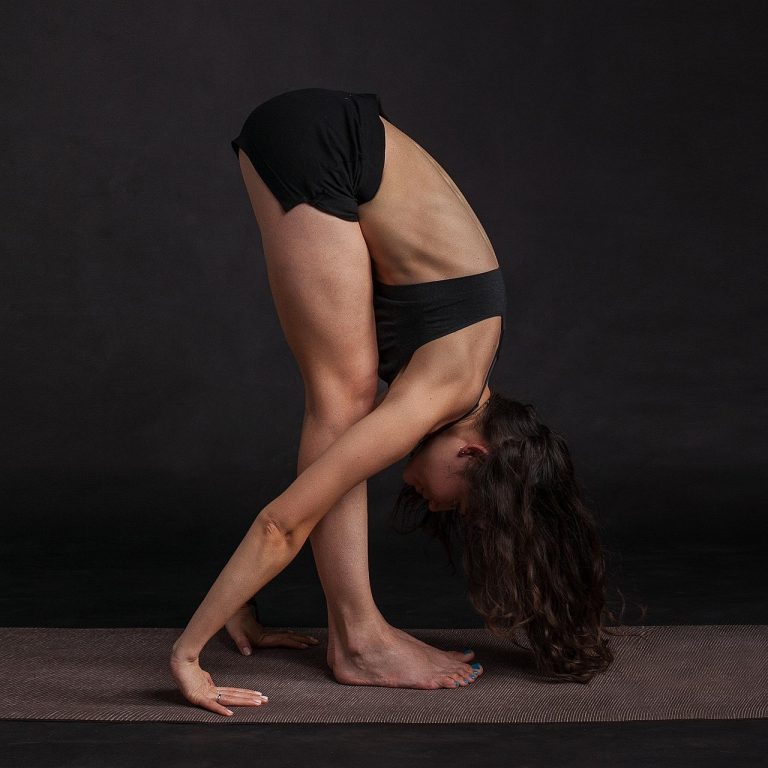
- Static Stretching: Holding a stretch in a stationary position for a period of time (typically 15-30 seconds). Example: Holding a hamstring stretch by touching your toes.
- Dynamic Stretching: Involves controlled movements through a full range of motion. Example: Arm circles, leg swings, torso twists. Best performed before exercise.
- Ballistic Stretching: Uses bouncing or jerky movements to force a muscle beyond its normal range of motion. Generally not recommended due to the increased risk of injury.
- Proprioceptive Neuromuscular Facilitation (PNF) Stretching: Involves contracting and relaxing muscles to increase flexibility. Often requires a partner. Example: Hold-relax stretch where you contract the target muscle against resistance before relaxing and stretching it further.
Creating Your Personalized Stretching Plan
Assessing Your Current Flexibility
Before starting any stretching plan, it’s important to assess your current flexibility levels. This will help you identify areas that need the most attention and track your progress over time.
- Touch Your Toes Test: Stand with your feet together and try to touch your toes. Note how far you can reach.
- Shoulder Reach Test: Reach one arm over your shoulder and the other up your back, trying to touch your fingers together. Repeat on the other side. Assess the distance between your fingers.
- Sit and Reach Test: Sit with your legs extended and reach forward towards your toes. Measure the distance you can reach beyond your toes.
Record these measurements to monitor improvements in flexibility over time. If you have any pain or limitations, consult with a physical therapist before starting a stretching program.
Structuring Your Stretching Routine
A well-structured stretching routine should be tailored to your individual needs and goals. Consider the following factors when creating your plan:
- Frequency: Aim to stretch at least 2-3 times per week. More frequent stretching can yield better results, especially for tight muscles.
- Duration: Hold each static stretch for 15-30 seconds. For PNF stretches, follow the specific protocols.
- Intensity: Stretch to the point of mild tension, but not pain. Avoid pushing yourself too hard, especially in the beginning.
- Warm-up: Always warm up your muscles before stretching. A light cardio activity like jogging or jumping jacks for 5-10 minutes can help prepare your muscles for stretching.
- Cool-down: Stretching after exercise can help reduce muscle soreness and promote recovery.
Sample Stretching Exercises
Full Body Stretching Routine
This routine covers major muscle groups and can be incorporated into your daily or weekly schedule. Remember to consult with your doctor or a physical therapist if you have any concerns or injuries.
- Neck Stretches: Gently tilt your head to the side, bringing your ear towards your shoulder. Hold for 30 seconds. Repeat on the other side. Then, gently rotate your chin towards your chest and hold for 30 seconds.
- Shoulder Stretches: Reach one arm across your body and hold it with your other arm. Gently pull the arm closer to your body. Hold for 30 seconds. Repeat on the other side. Another effective shoulder stretch is clasping your hands behind your back and gently lifting them upwards.
- Chest Stretches: Stand in a doorway and place your forearms on the frame. Lean forward until you feel a stretch in your chest. Hold for 30 seconds.
- Back Stretches: Cat-Cow stretch: Start on your hands and knees. Alternate between arching your back like a cat and dropping your belly towards the floor. Perform 10-15 repetitions. Knee to chest stretch: Lie on your back and pull one knee towards your chest, holding it with your hands. Hold for 30 seconds. Repeat on the other side.
- Hamstring Stretches: Sit on the floor with one leg extended and the other bent. Reach towards your toes on the extended leg. Hold for 30 seconds. Repeat on the other side. A standing hamstring stretch can also be performed by placing one heel on an elevated surface and leaning forward.
- Quadriceps Stretches: Stand and hold onto something for balance. Grab your foot and pull it towards your glutes. Hold for 30 seconds. Repeat on the other side.
- Calf Stretches: Stand facing a wall and place one foot slightly behind the other. Lean forward until you feel a stretch in your calf. Hold for 30 seconds. Repeat on the other side. A variation is to perform this stretch with your knee bent to target the Soleus muscle.
- Hip Flexor Stretches: Kneel on one knee with the other foot forward. Gently push your hips forward until you feel a stretch in your hip flexor. Hold for 30 seconds. Repeat on the other side.
Specific Examples of Dynamic Stretching Exercises
Dynamic stretching is excellent to perform before your workouts, or at any time that you need to gently increase your range of motion and warm up your muscles.
- Arm Circles: Stand with your feet shoulder-width apart and extend your arms to the sides. Perform small circles forwards and backwards, gradually increasing the size of the circles.
- Leg Swings: Stand next to a wall or chair for balance. Swing one leg forward and backward, keeping your core engaged. Repeat on the other side. Then swing your leg across your body.
- Torso Twists: Stand with your feet shoulder-width apart and your arms extended to the sides. Twist your torso from side to side, keeping your core engaged.
- Walking Lunges: Step forward into a lunge, keeping your front knee behind your toes. Alternate legs and continue walking forward.
Common Mistakes to Avoid
Overstretching
One of the most common mistakes is overstretching, which can lead to muscle strains or tears. Always stretch to the point of mild tension, not pain.
Neglecting Warm-up
Stretching cold muscles can increase the risk of injury. Always warm up before stretching to prepare your muscles and increase blood flow.
Holding Your Breath
Holding your breath while stretching can increase tension and reduce the effectiveness of the stretch. Breathe deeply and evenly throughout each stretch.
Inconsistent Stretching
Inconsistent stretching will limit your progress. Make stretching a regular part of your routine to see consistent improvements in flexibility.
Ignoring Pain
If you experience sharp or intense pain while stretching, stop immediately. Pain is a sign that something is wrong, and you should consult with a healthcare professional.
Conclusion
Incorporating a well-designed stretching plan into your routine is crucial for improving flexibility, reducing the risk of injuries, and enhancing overall well-being. By understanding the different types of stretching, creating a personalized stretching routine, and avoiding common mistakes, you can unlock the numerous benefits of a flexible and healthy body. Remember to listen to your body, be consistent with your stretching efforts, and enjoy the process of improving your flexibility and range of motion. Start today and experience the transformative power of stretching!