Unlocking your body’s full potential often starts with the simple act of stretching. Flexibility isn’t just for gymnasts; it’s a cornerstone of overall health, impacting everything from your posture and athletic performance to injury prevention and even your daily comfort. By incorporating regular stretching into your routine, you can experience a world of benefits, improving your range of motion, reducing muscle tension, and enhancing your overall well-being. Let’s dive into the world of stretching and discover how to make flexibility a priority.
Why Flexibility Matters
The Benefits of Stretching
Stretching is more than just touching your toes. It’s a fundamental movement that improves your physical health and quality of life. Here are some key benefits:
- Increased Range of Motion: Stretching regularly allows your joints to move through their full, natural range, making everyday activities easier and more comfortable.
- Reduced Muscle Soreness: Stretching after exercise can help to alleviate muscle soreness and speed up recovery by increasing blood flow and reducing muscle tension. Studies show that post-exercise static stretching, though debated for its acute effect on performance, can contribute to long-term improvements in flexibility and reduced delayed onset muscle soreness (DOMS).
- Improved Posture: Tight muscles can contribute to poor posture, leading to back pain and other issues. Stretching can help to correct muscle imbalances and improve alignment.
- Stress Reduction: Stretching can be a relaxing and meditative practice, helping to reduce stress and promote mental clarity. The act of focusing on your body and breath can calm the nervous system.
- Enhanced Athletic Performance: Greater flexibility can translate to improved power, agility, and endurance in various sports and activities. Flexible muscles are less prone to injury, allowing for more consistent training.
- Injury Prevention: Flexible muscles are less likely to be strained or torn. Regular stretching can help to prepare your body for physical activity and reduce the risk of injury.
Understanding Different Types of Stretching
Not all stretching is created equal. Understanding the different types can help you tailor your stretching routine to your specific needs and goals.
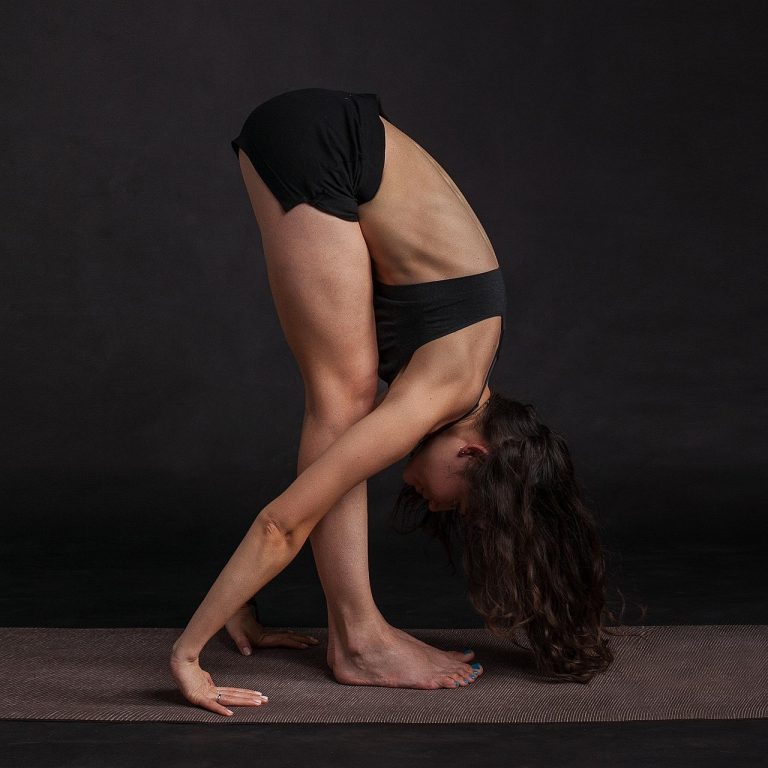
- Static Stretching: Holding a stretch for a sustained period (usually 15-30 seconds). Best performed after a workout or as part of a cool-down. Example: Holding a hamstring stretch by reaching for your toes.
- Dynamic Stretching: Controlled, fluid movements that gradually increase your range of motion. Best performed as a warm-up before exercise. Example: Arm circles, leg swings, torso twists.
- Ballistic Stretching: Involves bouncing or jerky movements to force a muscle beyond its normal range of motion. Generally not recommended, as it can increase the risk of injury.
- Proprioceptive Neuromuscular Facilitation (PNF) Stretching: A technique that involves contracting and relaxing muscles to increase flexibility. Often performed with a partner. Example: Contract-relax method for hamstrings, where you contract the hamstring against resistance, then relax and stretch further.
Building a Stretching Routine
Assessing Your Current Flexibility
Before starting a stretching routine, it’s important to assess your current flexibility level. This will help you identify areas that need the most attention and track your progress over time.
- Touch Your Toes Test: Can you easily touch your toes with your knees straight? This assesses hamstring flexibility.
- Shoulder Flexibility Test: Can you reach your hands behind your back and clasp them together? This assesses shoulder and upper back flexibility.
- Hip Flexor Test: Lie on your back and bring one knee to your chest. Does the other leg stay flat on the ground, or does it lift up? This assesses hip flexor flexibility.
Creating a Personalized Plan
A personalized stretching plan should take into account your individual needs, goals, and fitness level.
- Identify Target Areas: Focus on areas where you feel tightness or discomfort, or areas that are important for your specific activities.
- Set Realistic Goals: Don’t try to do too much too soon. Gradually increase the intensity and duration of your stretches over time.
- Choose the Right Type of Stretching: Select the type of stretching that is most appropriate for your needs and goals. Dynamic stretching for warm-ups, static stretching for cool-downs.
- Consistency is Key: Aim to stretch regularly, ideally several times per week. Even 10-15 minutes of stretching can make a significant difference.
- Listen to Your Body: Pay attention to any pain or discomfort, and stop if you feel any sharp or intense pain. A mild pulling sensation is normal, but pain is a sign to back off.
Sample Stretching Exercises
Stretches for the Upper Body
- Shoulder Stretch: Reach one arm across your body and use the other arm to gently pull it closer to your chest. Hold for 20-30 seconds.
- Triceps Stretch: Reach one arm overhead and bend your elbow, reaching your hand down your back. Use your other hand to gently pull your elbow further down. Hold for 20-30 seconds.
- Chest Stretch: Stand in a doorway and place your forearms on the doorframe. Gently lean forward until you feel a stretch in your chest. Hold for 20-30 seconds.
- Neck Stretch: Gently tilt your head to one side, bringing your ear towards your shoulder. Hold for 20-30 seconds. Repeat on the other side.
Stretches for the Lower Body
- Hamstring Stretch: Sit on the floor with one leg extended and the other leg bent. Reach towards your toes on the extended leg. Hold for 20-30 seconds.
- Quadriceps Stretch: Stand and grab one foot, pulling it towards your buttocks. Keep your knees together and your back straight. Hold for 20-30 seconds.
- Calf Stretch: Stand facing a wall and place one foot slightly behind the other. Lean forward, keeping your back heel on the ground. Hold for 20-30 seconds.
- Hip Flexor Stretch: Kneel on one knee with the other foot forward. Gently push your hips forward until you feel a stretch in your hip flexor. Hold for 20-30 seconds.
- Glute Stretch (Piriformis Stretch): Lie on your back, bend one knee, and place the ankle of that leg on the opposite knee. Gently pull the opposite thigh towards your chest until you feel a stretch in your glute. Hold for 20-30 seconds.
Common Mistakes to Avoid
Overstretching
- Pushing Too Hard: Avoid bouncing or forcing yourself into a stretch. This can lead to muscle strains and injuries.
- Ignoring Pain: Listen to your body and stop if you feel any sharp or intense pain.
- Holding Your Breath: Breathe deeply and consistently throughout your stretches. Holding your breath can increase tension and reduce the effectiveness of the stretch.
Improper Technique
- Incorrect Alignment: Make sure your body is properly aligned during each stretch. Improper alignment can lead to ineffective stretching and potential injuries.
- Insufficient Warm-up: Always warm up your muscles before stretching to improve blood flow and prepare them for the activity. A light cardio activity, such as jogging in place or jumping jacks, for 5-10 minutes is beneficial.
- Neglecting Consistency: Stretching occasionally won’t yield significant results. Consistency is key to improving flexibility over time.
Conclusion
Incorporating stretching into your daily or weekly routine is an investment in your overall health and well-being. By understanding the benefits of flexibility, building a personalized stretching plan, and avoiding common mistakes, you can unlock your body’s full potential and enjoy a more comfortable, active, and pain-free life. Remember to listen to your body, be consistent, and enjoy the process of becoming more flexible and resilient. Start small, be patient, and celebrate your progress along the way. Your body will thank you for it!