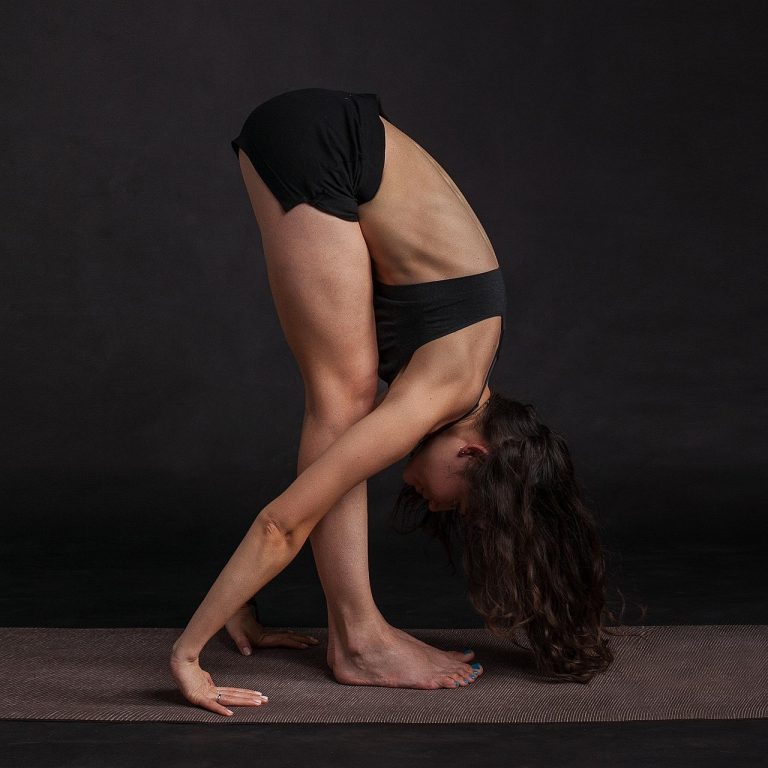
Movement is fundamental to our well-being, influencing everything from our physical health and mental clarity to our energy levels and overall quality of life. In today’s increasingly sedentary world, incorporating a regular movement routine into your day is more important than ever. But what exactly constitutes a movement routine, and how can you create one that fits your lifestyle and goals? Let’s explore the benefits and practicalities of building a movement-rich life.
Understanding Movement Routines
What is a Movement Routine?
A movement routine is a structured or unstructured collection of physical activities performed regularly to improve health, fitness, and overall well-being. It goes beyond just traditional exercise like running or lifting weights. It includes everyday activities like walking, stretching, dancing, playing, and even mindful movement practices like yoga or Tai Chi. The key is consistency and incorporating movement into your daily life in ways that are enjoyable and sustainable.
- It’s about making movement a habit, not a chore.
- It can be tailored to your fitness level, interests, and time constraints.
- It can include a variety of activities to keep things interesting and prevent boredom.
Why are Movement Routines Important?
The benefits of a consistent movement routine are extensive and well-documented. They impact virtually every system in the body.
- Physical Health: Improved cardiovascular health, stronger bones and muscles, better weight management, and reduced risk of chronic diseases like diabetes and heart disease.
- Mental Health: Reduced stress and anxiety, improved mood, enhanced cognitive function, and better sleep quality. Studies have shown that even short bursts of movement can significantly elevate mood.
- Energy Levels: Increased energy and vitality throughout the day. Contrary to popular belief, movement can actually boost energy levels.
- Longevity: Potentially increased lifespan and improved quality of life in later years. Research suggests that active individuals tend to live longer and healthier lives.
Building Your Personalized Movement Routine
Assess Your Current Activity Level
Before jumping into a new routine, take stock of your current activity levels. Are you mostly sedentary, moderately active, or already quite active? This self-assessment will help you determine where to start and how quickly to progress.
- Use a fitness tracker or app to monitor your daily steps and activity.
- Reflect on your typical workday and identify opportunities for movement.
- Consider any physical limitations or health conditions that might affect your routine.
Choose Activities You Enjoy
The most important factor in creating a sustainable movement routine is selecting activities you genuinely enjoy. If you dread your workouts, you’re less likely to stick with them.
- Examples: Walking, running, cycling, swimming, dancing, yoga, Pilates, hiking, team sports (basketball, volleyball, soccer), martial arts, gardening, playing with your kids/pets.
- Experiment: Try different activities until you find a few that you look forward to.
- Mix it up: Vary your routine to prevent boredom and work different muscle groups.
Set Realistic Goals and Start Small
Don’t try to overhaul your entire lifestyle overnight. Start with small, achievable goals and gradually increase the intensity, duration, or frequency of your workouts.
- Example: Aim for 15-30 minutes of moderate-intensity exercise most days of the week.
- Focus on consistency: Even short bursts of movement are better than nothing.
- Track your progress: Monitor your achievements to stay motivated.
Sample Movement Routine Ideas
The “Desk-Bound Warrior” Routine
Designed for those who spend most of their day sitting.
- Every hour: Stand up and stretch for 1-2 minutes. Include neck rolls, shoulder shrugs, and arm circles.
- Lunch break: Take a 15-20 minute walk outside.
- After work: Engage in a 30-minute workout, such as a brisk walk, yoga class, or bodyweight circuit.
- Weekend: Dedicate at least one day to a longer, more active outing, like hiking or cycling.
The “Morning Energizer” Routine
A great way to kickstart your day.
- Wake up: Perform 5-10 minutes of stretching or yoga.
- Before breakfast: Go for a 20-30 minute walk or jog.
- Throughout the day: Take the stairs instead of the elevator and walk during phone calls.
- Evening: Enjoy a relaxing activity like dancing or a gentle swim.
The “Weekend Warrior” Routine
For those with limited time during the week.
- Weekdays: Focus on short bursts of movement, like taking the stairs or walking during breaks.
- Weekends: Dedicate 1-2 hours each day to more intense activities, such as hiking, cycling, swimming, or playing sports.
- Incorporate active recovery: Include stretching, yoga, or foam rolling to help your body recover from workouts.
Making Movement a Habit
Schedule Your Workouts
Treat your workouts like any other important appointment. Schedule them in your calendar and commit to sticking to them.
- Set reminders: Use alarms or notifications to remind you of your scheduled workouts.
- Prepare in advance: Lay out your workout clothes and equipment the night before.
- Find a workout buddy: Exercising with a friend can help you stay motivated and accountable.
Find an Accountability Partner
Having someone to share your goals and progress with can be a powerful motivator. Choose a friend, family member, or colleague who is also interested in improving their health and fitness.
- Check in with each other regularly: Share your successes and challenges.
- Encourage and support each other: Celebrate milestones and offer words of encouragement during difficult times.
- Consider working out together: Exercising with a partner can make workouts more enjoyable and help you stay on track.
Be Patient and Persistent
It takes time to build a habit and see results. Don’t get discouraged if you miss a workout or don’t see progress immediately. Just keep showing up and doing your best.
- Focus on the long-term: Remember that consistency is key.
- Celebrate small victories: Acknowledge and reward yourself for reaching milestones.
- Don’t be afraid to adjust your routine: If something isn’t working, make changes until you find a formula that works for you.
Conclusion
Creating a consistent movement routine is a powerful investment in your overall health and well-being. By understanding the benefits, choosing activities you enjoy, setting realistic goals, and making movement a habit, you can unlock a healthier, happier, and more energetic you. Start small, be patient, and remember that every step counts. So, get moving!