Physical Address
304 North Cardinal St.
Dorchester Center, MA 02124
Physical Address
304 North Cardinal St.
Dorchester Center, MA 02124


Tight hamstrings can feel like a constant battle. Whether you’re an athlete pushing your limits, someone who spends long hours sitting at a desk, or simply trying to maintain your flexibility, understanding and properly stretching your hamstrings is crucial for overall well-being and preventing injuries. This guide will provide you with a comprehensive look at hamstring stretches, offering a variety of techniques, tips, and insights to help you achieve greater flexibility and reduce discomfort.
Your hamstrings are a group of three muscles located on the back of your thigh:
These muscles originate at the ischial tuberosity (the “sit bone” on your pelvis) and insert below the knee. They are responsible for:
Several factors can contribute to tight hamstrings:
Statistics show that hamstring strains are among the most common sports-related injuries, particularly in athletes involved in running and jumping. Addressing hamstring flexibility proactively is key to prevention.
Regular hamstring stretches can significantly improve flexibility, allowing for a greater range of motion in the hips and knees. This can translate to improved performance in various activities.
Tight hamstrings can pull on the pelvis, contributing to lower back pain. Stretching can alleviate this tension and improve spinal alignment.
Flexible hamstrings are less susceptible to strains and tears. Regular stretching can help prevent these common injuries, especially during athletic activities.
For athletes, flexible hamstrings can lead to increased power and efficiency in running, jumping, and other movements.
Stretching can help correct postural imbalances caused by tight hamstrings, leading to improved overall posture.
This is a simple and convenient stretch you can do almost anywhere.
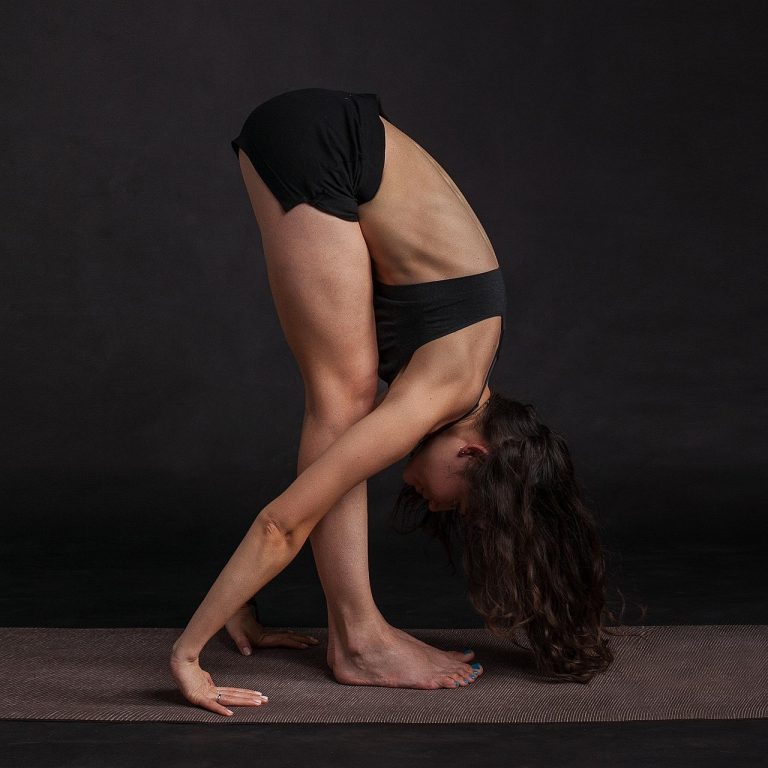
This stretch is ideal for those who spend a lot of time sitting.
This stretch allows for a deeper stretch and is great for isolating each hamstring.
This is similar to the lying hamstring stretch but provides a gentler stretch for those with limited flexibility.
While primarily a yoga pose, downward-facing dog effectively stretches the hamstrings, calves, and back.
Stretching cold muscles can increase the risk of injury. Always warm up with light cardio, such as walking or jogging, before stretching. Aim for 5-10 minutes of light activity.
Deep, controlled breathing can help you relax and deepen the stretch. Inhale before you stretch and exhale as you move into the stretch.
Hold each stretch for at least 20-30 seconds to allow the muscles to lengthen. Avoid bouncing, as this can cause injury.
For best results, aim to stretch your hamstrings regularly, ideally several times per week. Consistency is key to improving and maintaining flexibility.
Don’t push yourself too hard. You should feel a gentle stretch, but not pain. If you feel any sharp or intense pain, stop the stretch immediately.
If you have any injuries or limitations, modify the stretches to suit your needs. You can use props like towels or straps to help you reach further, or bend your knees slightly to reduce the intensity of the stretch.
Foam rolling can help release tension in the hamstrings and improve flexibility. Roll each hamstring for 1-2 minutes, focusing on any areas of tightness.
Incorporating regular hamstring stretches into your routine can significantly improve your flexibility, reduce your risk of injury, and enhance your overall well-being. By understanding the anatomy of your hamstrings, the benefits of stretching, and the proper techniques for performing various stretches, you can effectively address hamstring tightness and achieve greater comfort and mobility. Remember to listen to your body, be consistent with your stretching routine, and modify stretches as needed to suit your individual needs. Start stretching those hamstrings today for a healthier, more flexible you!