Tight hamstrings can be a real pain – literally! They can limit your range of motion, contribute to lower back pain, and even increase your risk of injury. Whether you’re an athlete pushing your limits or someone just looking to improve your daily comfort, understanding and implementing effective hamstring stretches is crucial. This guide will provide you with a comprehensive overview of hamstring stretches, from understanding the anatomy to performing specific stretches safely and effectively.
Understanding Your Hamstrings
Anatomy and Function
Your hamstrings are a group of three muscles located at the back of your thigh:
- Biceps Femoris: Runs along the outside of the thigh.
- Semitendinosus: Located towards the inside of the thigh.
- Semimembranosus: Also situated on the inside of the thigh, deeper than the semitendinosus.
These muscles originate at the ischial tuberosity (your “sit bones”) and insert below the knee. Their primary functions include:
- Knee Flexion: Bending your knee.
- Hip Extension: Moving your leg backward.
Tight hamstrings can restrict these movements and affect your posture.
Why Stretching Matters
Regular hamstring stretches offer a multitude of benefits:
- Improved Flexibility: Increased range of motion in your hips and knees.
- Reduced Lower Back Pain: Tight hamstrings can pull on your pelvis, contributing to lower back discomfort. Stretching helps alleviate this tension.
- Enhanced Athletic Performance: Greater flexibility allows for more efficient movement during activities like running, jumping, and cycling. Studies have shown improved sprint performance with increased hamstring flexibility.
- Injury Prevention: Flexible hamstrings are less susceptible to strains and tears. Research indicates a correlation between hamstring flexibility and reduced injury risk in athletes.
- Improved Posture: Hamstring flexibility can help maintain a neutral pelvic tilt, improving overall posture.
Safe Stretching Techniques
Warm-Up First
Never stretch cold muscles! A proper warm-up prepares your muscles for stretching by increasing blood flow and tissue temperature. Examples of warm-up activities include:
- Light Cardio: 5-10 minutes of jogging, cycling, or jumping jacks.
- Dynamic Stretches: Leg swings, butt kicks, and high knees. Dynamic stretches move your muscles through a range of motion.
Proper Form and Breathing
Focus on maintaining proper form during each stretch to maximize its effectiveness and minimize the risk of injury:
- Keep your back straight: Avoid rounding your back, as this puts unnecessary stress on your spine.
- Engage your core: Stabilize your core to support your back.
- Breathe deeply: Inhale before starting the stretch and exhale as you deepen into it. This helps relax your muscles.
- Listen to your body: Stop if you feel sharp pain. A gentle pulling sensation is normal, but pain indicates you’re pushing too far.
Holding Stretches
Static stretches, where you hold a position for a period of time, are most effective for improving hamstring flexibility:
- Hold each stretch for 20-30 seconds. This allows the muscles to relax and lengthen.
- Repeat each stretch 2-3 times. Consistency is key to seeing results.
- Stretch regularly, ideally 3-5 times per week.
Effective Hamstring Stretches
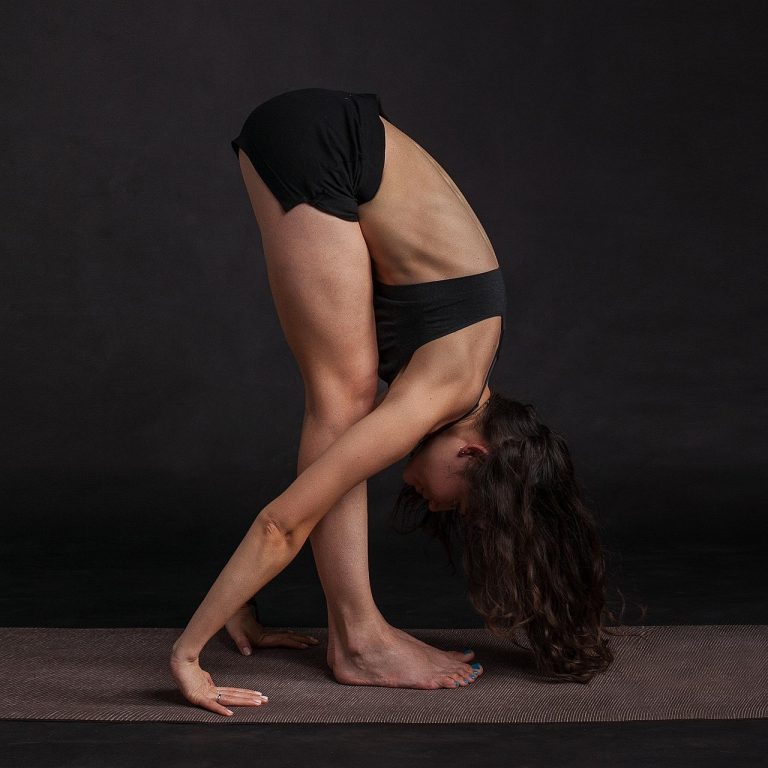
Standing Hamstring Stretch
This is a simple and convenient stretch that can be done anywhere.
- Stand with your feet hip-width apart.
- Slightly bend one knee and extend the other leg straight in front of you, heel on the ground.
- Lean forward from your hips, keeping your back straight.
- Reach towards your toes, feeling the stretch in the back of your thigh.
- Hold for 20-30 seconds, then repeat on the other side.
Tip: If you can’t reach your toes, reach towards your shin or ankle. The most important thing is to keep your back straight.
Seated Hamstring Stretch
This stretch is great for improving flexibility in a controlled manner.
- Sit on the floor with your legs extended straight in front of you.
- Keep your back straight and engage your core.
- Reach towards your toes, bending at the hips.
- Avoid rounding your back.
Variation: Try this stretch one leg at a time by bending one knee and bringing your foot close to your groin.
Lying Hamstring Stretch (with a Strap or Towel)
This stretch uses a strap or towel to help deepen the stretch.
- Lie on your back with your knees bent and feet flat on the floor.
- Lift one leg towards the ceiling, keeping your knee slightly bent.
- Wrap a strap or towel around the ball of your foot.
- Gently pull the strap towards you, straightening your leg as much as possible.
- Hold for 20-30 seconds, then repeat on the other side.
Tip: Focus on keeping your lower back pressed against the floor.
Downward-Facing Dog (Yoga)
This yoga pose stretches the entire posterior chain, including the hamstrings.
- Start on your hands and knees.
- Spread your fingers wide and press into your palms.
- Lift your hips up and back, forming an inverted V-shape.
- Keep your back straight and your head relaxed.
- Press your heels towards the floor, feeling the stretch in your hamstrings.
Modification: If your hamstrings are very tight, keep your knees slightly bent.
Advanced Hamstring Stretches and Considerations
Foam Rolling
Foam rolling can help release tension and improve flexibility in your hamstrings.
- Sit on the floor with your legs extended in front of you.
- Place a foam roller under your hamstrings (one leg at a time or both).
- Using your hands for support, slowly roll from your glutes down to just above your knee.
- Spend more time on areas that feel tight or tender.
- Repeat for 1-2 minutes per leg.
Tip: Avoid rolling directly over your knee joint or the back of your knee.
Active Isolated Stretching (AIS)
AIS involves contracting the muscle opposite the one you’re stretching to achieve a greater range of motion. For hamstrings, this would involve contracting your quadriceps.
- Use a rope or strap to assist in lifting your leg, as described above in the lying hamstring stretch.
- Pull the leg up to a point where you feel the stretch, but then immediately release the tension slightly.
- Hold for only 1-2 seconds, and repeat 10-12 times.
- Focus on actively contracting your quadriceps to engage the reciprocal inhibition.
When to Seek Professional Help
While stretching is generally safe, it’s essential to seek professional help if you experience:
- Persistent Pain: Pain that doesn’t improve with stretching.
- Sharp, Sudden Pain: This could indicate a muscle tear or other injury.
- Limited Range of Motion: Difficulty moving your leg or hip despite regular stretching.
- Numbness or Tingling: This could indicate nerve involvement.
A physical therapist or healthcare professional can assess your condition and recommend appropriate treatment.
Conclusion
Incorporating hamstring stretches into your routine is vital for maintaining flexibility, reducing pain, and improving athletic performance. Remember to warm up before stretching, use proper form, and listen to your body. By consistently practicing the stretches outlined in this guide, you can unlock the benefits of flexible hamstrings and enjoy a more comfortable and active life. Don’t be afraid to experiment and find what works best for you! Consistency is key to seeing real and lasting results.