Pre-workout stretches are often overlooked in the rush to hit the gym or conquer that home workout. But skipping them is a massive mistake! Properly preparing your body with dynamic stretches can drastically improve your performance, minimize your risk of injury, and enhance your overall workout experience. This guide will explore the critical role pre-workout stretching plays in unlocking your fitness potential.
Why Pre-Workout Stretches Matter
Preparing Muscles for Action
Think of your muscles like rubber bands. A cold rubber band is more likely to snap if stretched too quickly. Pre-workout stretches gently increase blood flow to your muscles, raising their temperature and elasticity. This makes them more pliable and ready to handle the demands of your workout.
- Increased Blood Flow: Delivers more oxygen and nutrients to working muscles.
- Improved Muscle Elasticity: Reduces the risk of strains and tears.
- Enhanced Joint Mobility: Allows for a greater range of motion during exercises.
Reducing the Risk of Injury
A comprehensive warm-up, including stretching, significantly lowers your chances of pulling a muscle or experiencing other exercise-related injuries. Studies have shown that warming up can reduce the risk of muscle strains by up to 54%.
- Preventing Muscle Strains: By preparing muscles for activity, they are less susceptible to tears.
- Improving Joint Stability: Stretches help stabilize joints, reducing the risk of sprains.
- Reducing Soreness: Proper warm-up can minimize post-workout muscle soreness (DOMS).
Boosting Performance
Stretching isn’t just about injury prevention; it’s about maximizing your workout potential. Dynamic stretches can improve your power output, speed, and agility.
- Increased Power Output: Prepared muscles can generate more force.
- Improved Reaction Time: Stretches enhance neuromuscular activation.
- Enhanced Coordination: Better body awareness leads to improved movement patterns.
Dynamic vs. Static Stretching: What’s the Difference?
Dynamic Stretching: Your Pre-Workout Ally
Dynamic stretches involve controlled movements that gradually increase your range of motion. These are perfect for pre-workout routines because they actively prepare your muscles for the workout ahead.
- Examples: Arm circles, leg swings, torso twists, walking lunges with a twist, high knees, butt kicks.
- Focus: Mimic the movements you’ll be performing during your workout. For example, if you’re doing squats, include bodyweight squats in your dynamic warm-up.
- Benefits: Increases blood flow, improves flexibility, and prepares the neuromuscular system.
Static Stretching: Best for Post-Workout
Static stretches involve holding a stretch for an extended period (typically 15-30 seconds). These are generally recommended for post-workout recovery, as they can actually decrease muscle power and performance if done before exercise.
- Examples: Holding a hamstring stretch, quad stretch, or calf stretch.
- Focus: Relaxing the muscle and improving flexibility over time.
- Caution: Avoid static stretching before exercise as it can temporarily reduce muscle strength.
Sample Pre-Workout Stretching Routine
Upper Body Warm-up
Prepare your upper body for exercises like bench press, pull-ups, or shoulder presses.
- Arm Circles (Forward and Backward): 10-15 repetitions each direction.
- Shoulder Rolls (Forward and Backward): 10-15 repetitions each direction.
- Torso Twists: 10-15 repetitions each side.
- Dynamic Chest Stretch: Clasp your hands behind your back and gently lift your arms upwards. Repeat 10-12 times.
Lower Body Warm-up
Prepare your lower body for exercises like squats, lunges, or running.
- Leg Swings (Forward and Sideways): 10-15 repetitions each leg and direction.
- Walking Lunges: 10-12 repetitions each leg.
- High Knees: 20-30 seconds.
- Butt Kicks: 20-30 seconds.
- Bodyweight Squats: 10-15 repetitions.
Full Body Warm-up
Engage major muscle groups with dynamic movements.
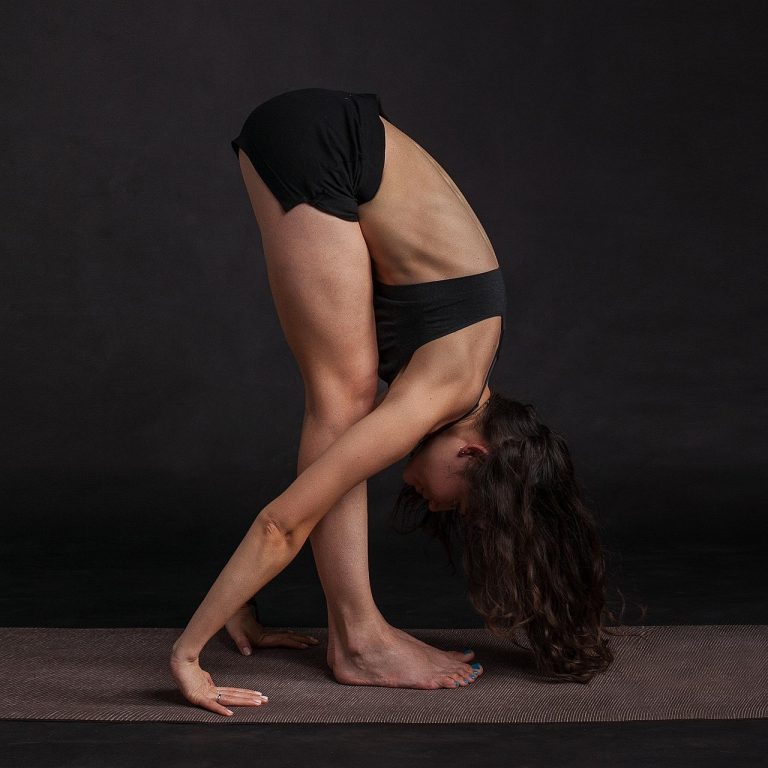
- Inchworm: Walk your hands forward from a standing position, then walk your feet towards your hands. Repeat 8-10 times.
- Mountain Climbers: 20-30 seconds.
- Jumping Jacks: 20-30 seconds.
Tailoring Your Stretches to Your Workout
Sport-Specific Considerations
Your pre-workout stretching routine should be tailored to the specific activity you’ll be performing. A runner will need different stretches than a weightlifter or a swimmer.
- Running: Focus on leg swings, high knees, butt kicks, and calf stretches.
- Weightlifting: Include arm circles, torso twists, and dynamic stretches targeting the specific muscle groups you’ll be working.
- Swimming: Focus on arm circles, shoulder rolls, and torso twists to improve shoulder mobility.
Listening to Your Body
Pay attention to how your body feels during the stretching process. Avoid pushing yourself too hard, especially when you’re cold. A gentle stretch is more effective than a forceful one.
- Pain is a Warning Sign: Stop immediately if you feel any sharp or intense pain.
- Gradual Progression: Gradually increase the intensity and range of motion of your stretches.
- Consistency is Key: Make pre-workout stretching a regular part of your fitness routine for long-term benefits.
Conclusion
Incorporating pre-workout stretches into your routine is an investment in your fitness journey. By properly preparing your muscles, you can reduce your risk of injury, enhance your performance, and enjoy a more effective and rewarding workout. Remember to focus on dynamic stretches, tailor your routine to your specific activity, and always listen to your body. So, next time you’re about to hit the gym, don’t skip the stretches – your body will thank you for it!