Physical Address
304 North Cardinal St.
Dorchester Center, MA 02124
Physical Address
304 North Cardinal St.
Dorchester Center, MA 02124


Stepping away from the gym floor after a rigorous workout often signals the end of the physical exertion, but it’s far from the end of your muscle care routine. Post-workout stretching is a critical component of any fitness regimen, offering a multitude of benefits that extend beyond simply feeling good. Neglecting this crucial step can hinder recovery, increase the risk of injury, and limit your overall progress. Let’s delve into why post-workout stretching is essential and how to incorporate it effectively.
One of the most common reasons people skip stretching is feeling rushed, but carving out just a few minutes can significantly impact Delayed Onset Muscle Soreness (DOMS). DOMS, the muscle stiffness and pain that typically sets in 24-72 hours after exercise, can be mitigated with proper stretching.
Regular post-workout stretching enhances flexibility and range of motion over time, leading to improved athletic performance and reduced risk of injury.
Stretching plays a pivotal role in injury prevention by increasing muscle elasticity and joint mobility.
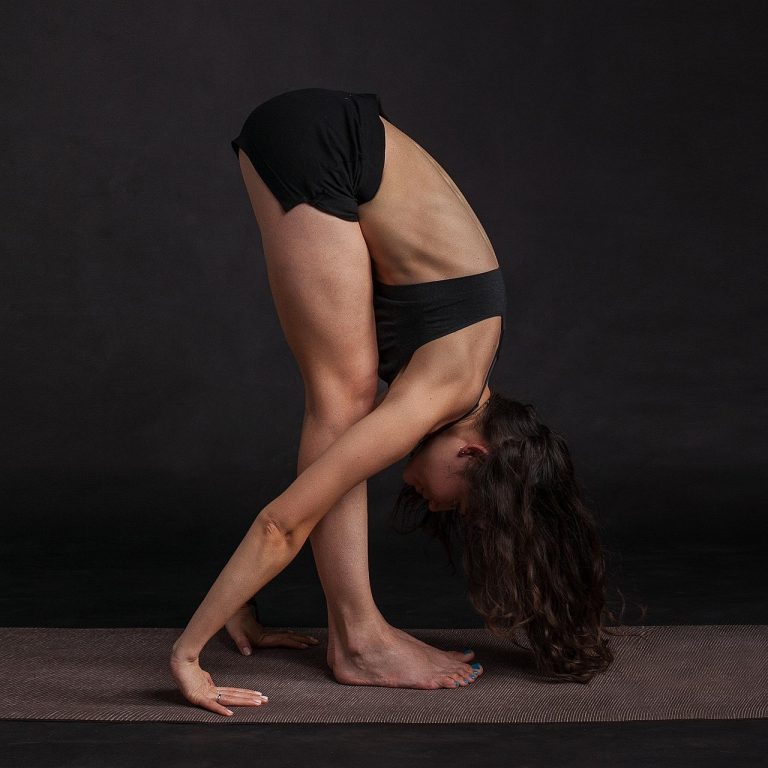
Static stretching involves holding a stretch in a fixed position for a period, typically 15-30 seconds. It’s most effective after a workout.
Hamstring Stretch: Sit on the floor with legs extended, reach towards your toes.
Quad Stretch: Stand and pull one foot towards your glutes, holding the stretch.
Calf Stretch: Lean against a wall with one leg extended back and press your heel towards the ground.
Dynamic stretching involves controlled movements through a full range of motion. While generally recommended before a workout as part of a warm-up, lighter dynamic stretches can also be used post-workout to aid in cool-down.
Arm Circles: Rotate arms forward and backward in small and large circles.
Leg Swings: Swing one leg forward and backward, then side to side.
Torso Twists: Gently twist your torso from side to side.
Foam rolling is a type of self-massage that helps to release tension and knots in muscles.
Hamstrings: Sit with the foam roller under your hamstrings and roll back and forth.
Quads: Lie face down with the foam roller under your quads and roll back and forth.
* Calves: Sit with the foam roller under your calves and roll back and forth.
This is a simple routine that can be adapted based on your workout. Hold each stretch for 30 seconds.
Stretching cold muscles can increase the risk of injury. Always warm up slightly before stretching.
Bouncing while stretching can trigger the stretch reflex, causing the muscle to contract instead of relax.
Pushing yourself too far can lead to muscle strains and tears.
Holding your breath can increase muscle tension.
Post-workout stretching is not just a luxury; it’s an essential part of a well-rounded fitness routine. By incorporating regular stretching, you can reduce muscle soreness, improve flexibility, prevent injuries, and enhance your overall athletic performance. Remember to stretch consistently, listen to your body, and focus on proper technique to maximize the benefits and minimize the risks. Make stretching a non-negotiable part of your workout, and your body will thank you.