Injury prevention stretches are a crucial component of any fitness routine, regardless of your activity level. Whether you’re a seasoned athlete or just starting your fitness journey, incorporating specific stretches can significantly reduce your risk of strains, sprains, and other common injuries. This comprehensive guide will cover essential injury prevention stretches, offering practical examples and tips to help you stay healthy and active.
Understanding the Importance of Injury Prevention Stretches
Why Stretch for Injury Prevention?
Stretching plays a vital role in preparing your body for physical activity and aiding in recovery. Neglecting to stretch can lead to muscle imbalances, reduced range of motion, and increased vulnerability to injuries.
- Increased Flexibility: Stretching improves the elasticity of your muscles and connective tissues, allowing for a greater range of motion.
- Improved Circulation: Stretching enhances blood flow to muscles, delivering essential nutrients and oxygen, which can speed up recovery.
- Reduced Muscle Soreness: Stretching can help alleviate muscle tightness and reduce post-exercise soreness.
- Enhanced Performance: Flexible muscles are more efficient, allowing for better athletic performance.
- Injury Prevention: By improving flexibility and reducing muscle imbalances, stretching significantly lowers the risk of injuries.
Statistics on Injury Prevention
Studies have shown that proper warm-up routines, including stretching, can reduce the risk of sports-related injuries by up to 50%. Furthermore, individuals who regularly stretch report fewer instances of muscle strains and sprains compared to those who don’t. Addressing common issues like tight hamstrings or weak glutes proactively through targeted stretching can lead to substantial improvements in overall physical well-being.
Dynamic Stretching for Warm-Ups
What is Dynamic Stretching?
Dynamic stretching involves controlled, movement-based stretches that gradually increase your range of motion. It’s ideal for warm-ups because it prepares your muscles for activity without holding a static position. This contrasts with static stretching, which is better suited for cool-downs.
- Focus on Movement: Dynamic stretches emphasize continuous movement rather than holding a position.
- Increases Heart Rate: These stretches elevate your heart rate and blood flow, priming your muscles for exercise.
- Prepares Muscles: Dynamic stretching activates the muscles you’ll be using during your workout.
Examples of Dynamic Stretches
- Arm Circles: Slowly rotate your arms forward and backward in small circles, gradually increasing the size.
- Leg Swings: Swing your legs forward and backward, then side to side, keeping your core engaged. Be mindful of your balance and avoid swinging too forcefully.
- Torso Twists: Stand with your feet shoulder-width apart and twist your torso from side to side, keeping your lower body stable.
- Walking Lunges: Step forward into a lunge, ensuring your front knee stays behind your toes, and alternate legs as you walk forward.
- High Knees: Bring your knees up towards your chest as you walk or jog.
- Butt Kicks: Kick your heels back towards your glutes as you walk or jog.
Tips for Effective Dynamic Stretching
- Start Slowly: Begin with small movements and gradually increase the range of motion.
- Focus on Control: Maintain control throughout each stretch to avoid injury.
- Breathe Deeply: Focus on your breathing to enhance relaxation and improve blood flow.
- Target Specific Muscles: Choose dynamic stretches that target the muscles you’ll be using during your workout.
Static Stretching for Cool-Downs
What is Static Stretching?
Static stretching involves holding a stretch in a fixed position for a specific duration, typically 15-30 seconds. It’s best performed after exercise when your muscles are warm and pliable.
- Holding the Stretch: Static stretches involve holding a position without movement.
- Increases Flexibility: These stretches lengthen muscles and improve flexibility.
- Reduces Muscle Tension: Static stretching helps release tension and promote relaxation.
Examples of Static Stretches
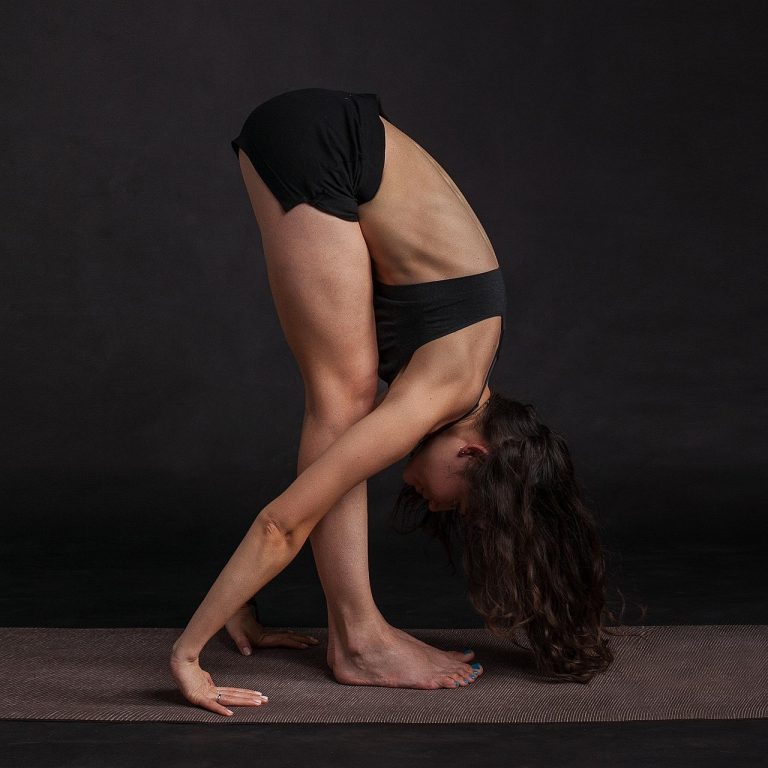
- Hamstring Stretch: Sit on the floor with your legs extended and reach for your toes, keeping your back straight.
- Quadriceps Stretch: Stand and grab your ankle, pulling your heel towards your glutes.
- Calf Stretch: Lean against a wall with one leg extended behind you, keeping your heel on the ground.
- Triceps Stretch: Reach one arm overhead and bend your elbow, reaching down your back. Use your other hand to gently pull your elbow further.
- Shoulder Stretch: Bring one arm across your body and use your other arm to gently pull it closer to your chest.
Tips for Effective Static Stretching
- Hold the Stretch: Maintain the stretch for 15-30 seconds, breathing deeply.
- Avoid Bouncing: Bouncing can cause muscle tears and injuries.
- Listen to Your Body: Stop if you feel any pain.
- Focus on Relaxation: Relax your muscles and breathe deeply to enhance the stretch.
Targeting Specific Muscle Groups for Injury Prevention
Key Muscle Groups to Focus On
Certain muscle groups are more prone to injury than others, depending on the type of activity you engage in. Targeting these muscle groups with specific stretches can significantly reduce your risk.
- Hamstrings: Tight hamstrings can lead to lower back pain and knee injuries.
- Quadriceps: Weak or tight quadriceps can contribute to knee pain and instability.
- Calves: Tight calves can cause ankle and foot problems, such as plantar fasciitis.
- Hip Flexors: Tight hip flexors can limit mobility and contribute to lower back pain.
- Shoulders: Shoulder injuries are common in sports and activities that involve overhead movements.
Stretches for Specific Muscle Groups
Seated Hamstring Stretch: Sit with your legs extended and reach for your toes.
Standing Hamstring Stretch: Place one leg on a slightly elevated surface and lean forward, keeping your back straight.
Standing Quadriceps Stretch: Grab your ankle and pull your heel towards your glutes.
Lying Quadriceps Stretch: Lie on your stomach and grab your ankle, pulling your heel towards your glutes.
Standing Calf Stretch: Lean against a wall with one leg extended behind you, keeping your heel on the ground.
Downward-Facing Dog: This yoga pose stretches the entire posterior chain, including the calves.
Kneeling Hip Flexor Stretch: Kneel on one knee with your other foot forward, and gently push your hips forward.
Pigeon Pose: This yoga pose deeply stretches the hip flexors and glutes.
Cross-Body Shoulder Stretch: Bring one arm across your body and use your other arm to gently pull it closer to your chest.
Behind-the-Back Shoulder Stretch: Clasp your hands behind your back and gently lift your arms.
Incorporating Stretching into Your Routine
- Regularity is Key: Aim to stretch daily, even on rest days.
- Consistency Matters: Stick to a consistent stretching routine to maintain flexibility.
- Listen to Your Body: Pay attention to any pain or discomfort and adjust your stretches accordingly.
Common Mistakes to Avoid
Overstretching
- Avoid Pushing Too Hard: Stretching should be gentle and comfortable, not painful.
- Recognize Your Limits: Know your body’s limitations and avoid pushing beyond them.
- Progress Gradually: Gradually increase the intensity and duration of your stretches over time.
Neglecting Proper Form
- Maintain Correct Posture: Focus on maintaining proper alignment and posture during each stretch.
- Engage Core Muscles: Engage your core muscles to stabilize your body and protect your spine.
- Seek Guidance: If you’re unsure about proper form, consult with a physical therapist or certified trainer.
Skipping Warm-Ups and Cool-Downs
- Prioritize Warm-Ups: Always warm up your muscles before stretching to prepare them for activity.
- Cool Down Properly: Always cool down after exercise to help your muscles recover and reduce soreness.
- Allocate Time: Schedule dedicated time for warm-ups and cool-downs in your fitness routine.
Ignoring Pain Signals
- Listen to Your Body: Pay attention to any pain or discomfort you experience during stretching.
- Stop Immediately: If you feel any sharp or intense pain, stop stretching immediately.
- Seek Medical Advice: If you experience persistent pain or discomfort, consult with a healthcare professional.
Conclusion
Incorporating injury prevention stretches into your daily routine is essential for maintaining a healthy and active lifestyle. By understanding the importance of stretching, practicing dynamic stretches for warm-ups, static stretches for cool-downs, and targeting specific muscle groups, you can significantly reduce your risk of injuries and enhance your overall well-being. Remember to avoid common mistakes, listen to your body, and prioritize consistency to reap the full benefits of stretching. Make stretching a non-negotiable part of your fitness regimen and enjoy the rewards of a flexible, healthy, and injury-free body.