Feeling restless and tense as you climb into bed? Tossing and turning can sabotage a good night’s sleep, leaving you feeling groggy and unproductive the next day. But what if you could gently coax your body into relaxation, promoting deeper, more restorative sleep with just a few minutes of easy stretches? Incorporating pre-sleep stretches into your nightly routine can be a game-changer for your overall well-being. This guide will explore the best stretches to calm your mind and body before bed, helping you unlock a night of peaceful slumber.
The Science Behind Pre-Sleep Stretching
Why Stretch Before Bed?
Stretching before bed isn’t just about feeling good; it has tangible benefits backed by science. Studies show that gentle stretching can:
- Reduce muscle tension: By easing tightness in your muscles, you can minimize discomfort that might disrupt your sleep.
- Lower heart rate and blood pressure: Slow, deliberate stretches can activate the parasympathetic nervous system, promoting relaxation and reducing anxiety.
- Improve circulation: Gentle movements can increase blood flow, helping to nourish your tissues and promote overall well-being.
- Release endorphins: These natural mood boosters can help to alleviate stress and promote a sense of calm.
- Prepare your body for rest: Signalling to your body that it’s time to wind down can significantly improve your sleep quality.
The Mind-Body Connection
Pre-sleep stretching fosters a strong connection between your mind and body. Focusing on your breath and the sensations in your muscles helps to quiet the mental chatter that often keeps us awake. It’s a form of mindfulness that allows you to be present in the moment and release the day’s stresses.
Top Pre-Sleep Stretches for Relaxation
Gentle Neck Stretches
Tension often accumulates in the neck and shoulders, especially after long hours at a desk. These gentle stretches can release that built-up stress:
- Chin Tucks: Gently tuck your chin towards your chest, feeling a stretch at the back of your neck. Hold for 15-30 seconds and repeat 5-10 times.
- Neck Tilts: Slowly tilt your head to the right, bringing your right ear towards your right shoulder. Hold for 15-30 seconds, then repeat on the left side. Perform 5-10 repetitions on each side.
- Neck Rotations: Gently turn your head to the right, looking over your shoulder. Hold for 15-30 seconds, then repeat on the left side. Do 5-10 repetitions on each side.
- Important Note: If you experience any pain, stop immediately and consult with a healthcare professional.
Shoulder Stretches
Releasing tension in your shoulders can improve posture and alleviate upper back pain:
- Cross-Body Shoulder Stretch: Extend your right arm across your body and use your left hand to gently pull it closer to your chest. Hold for 20-30 seconds and repeat on the other side.
- Shoulder Rolls: Slowly roll your shoulders forward for 10 repetitions, then backward for 10 repetitions.
- Eagle Arms (Garudasana): If your flexibility allows, wrap your arms in front of you, hooking your elbows and pressing your palms together (or as close as you can get). Hold for 20-30 seconds and repeat on the opposite side. This provides a deeper stretch for the upper back and shoulders.
Spinal Stretches
A healthy spine is crucial for overall well-being and comfortable sleep. These stretches can help to improve flexibility and relieve back pain:
- Cat-Cow Stretch: Start on your hands and knees. As you inhale, drop your belly towards the floor and lift your chest and tailbone (Cow pose). As you exhale, round your spine towards the ceiling and tuck your chin to your chest (Cat pose). Repeat 5-10 times.
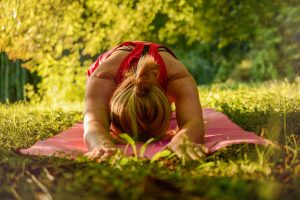
- Child’s Pose (Balasana): Kneel on the floor with your knees hip-width apart. Sit back on your heels and fold forward, resting your forehead on the floor. Extend your arms forward or alongside your body. Hold for 30-60 seconds. This is a deeply restorative pose.
- Supine Twist: Lie on your back with your knees bent and feet flat on the floor. Extend your arms out to the sides. Gently drop both knees to the right, keeping your shoulders on the floor. Hold for 20-30 seconds and repeat on the left side.
Lower Body Stretches
Don’t neglect your lower body! Stretching your legs can ease restless legs syndrome and promote relaxation:
- Hamstring Stretch: Lie on your back and lift one leg towards the ceiling, keeping your knee slightly bent. Use a towel or strap to gently pull your leg closer to your chest. Hold for 20-30 seconds and repeat on the other side.
- Hip Flexor Stretch (Kneeling): Kneel on your left knee, placing your right foot flat on the floor in front of you. Gently push your hips forward, feeling a stretch in the front of your left hip. Hold for 20-30 seconds and repeat on the other side.
- Calf Stretch:* Stand facing a wall and place your hands on the wall. Step one foot back, keeping your heel on the ground. Lean forward, feeling a stretch in your calf. Hold for 20-30 seconds and repeat on the other side.
Creating Your Pre-Sleep Stretching Routine
Timing is Key
Aim to stretch about 30-60 minutes before you go to bed. This gives your body time to fully relax and prepare for sleep.
Consistency is Crucial
Make stretching a regular part of your nightly routine. Even 5-10 minutes of stretching can make a significant difference in your sleep quality over time.
Create a Relaxing Environment
Dim the lights, play calming music, and avoid screens (phones, tablets, or TVs) during your stretching routine. This will help to create a peaceful and relaxing atmosphere.
Listen to Your Body
Pay attention to your body’s signals. Don’t push yourself too hard, and stop if you feel any pain. Gentle stretching is the goal, not extreme flexibility.
Deep Breathing
Combine your stretches with deep, mindful breathing. Inhale deeply through your nose and exhale slowly through your mouth. This will help to calm your nervous system and promote relaxation.
Conclusion
Incorporating pre-sleep stretches into your daily routine is a simple yet powerful way to improve your sleep quality and overall well-being. By easing muscle tension, calming your mind, and creating a relaxing environment, you can set the stage for a night of restful and restorative sleep. Experiment with the stretches outlined in this guide, listen to your body, and create a routine that works best for you. Sweet dreams!