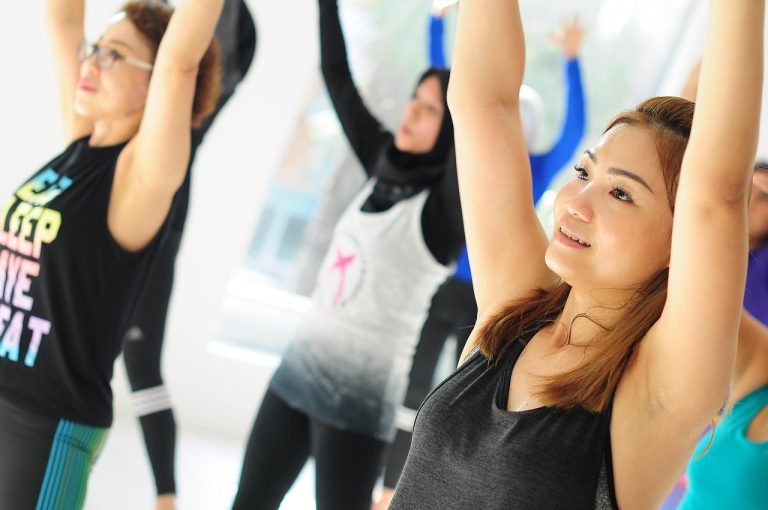
A few minutes of focused stretching each day can transform your body and mind. Whether you’re an athlete, a desk worker, or somewhere in between, incorporating a daily stretching routine can improve flexibility, reduce muscle tension, and boost your overall well-being. This guide provides a comprehensive approach to building a simple yet effective stretching routine that fits into your busy lifestyle.
The Importance of Daily Stretching
Why Stretch Every Day?
Stretching isn’t just for athletes preparing for competition. It’s a fundamental practice that offers a multitude of benefits for everyone. Regular stretching can:
- Increase Flexibility: Improved range of motion in your joints makes everyday tasks easier and reduces your risk of injury.
- Reduce Muscle Soreness: Stretching helps alleviate muscle tension and stiffness, especially after exercise or prolonged periods of inactivity.
- Improve Posture: By lengthening tight muscles, stretching can help correct postural imbalances and promote better alignment.
- Enhance Circulation: Increased blood flow to muscles and tissues promotes healing and reduces inflammation.
- Reduce Stress: Stretching can have a calming effect on the nervous system, helping to relieve stress and anxiety. Studies show that stretching can reduce cortisol levels, the stress hormone.
Understanding Different Types of Stretches
There are several types of stretches, each with its own benefits:
- Static Stretching: Holding a stretch in a stationary position for 15-30 seconds. This is best done after a workout or when muscles are warm.
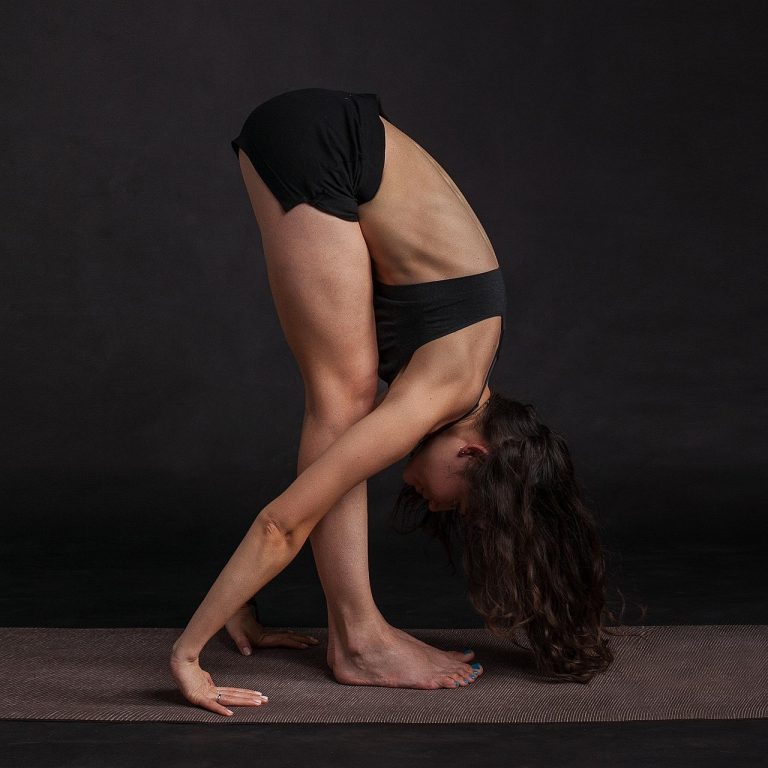
Example: Holding a hamstring stretch by touching your toes.
- Dynamic Stretching: Controlled movements that gradually increase your range of motion. This is ideal for warming up before exercise.
Example: Arm circles, leg swings, torso twists.
- Ballistic Stretching: Involves bouncing or jerking movements. While it can increase flexibility, it also carries a higher risk of injury and is generally not recommended for beginners.
- Proprioceptive Neuromuscular Facilitation (PNF): A more advanced technique that involves contracting and relaxing muscles to achieve a greater range of motion. It often requires a partner.
- Actionable Takeaway: Focus on static stretches for cool-downs and dynamic stretches for warm-ups.
Building Your Daily Stretching Routine
Assessing Your Needs and Goals
Before diving into specific stretches, consider your individual needs and goals. Ask yourself:
- Which areas of my body feel tight or stiff?
- What activities do I perform regularly that might benefit from increased flexibility?
- What are my fitness goals (e.g., improved athletic performance, reduced pain, better posture)?
This self-assessment will help you tailor your stretching routine to address your specific needs.
Creating a Time-Efficient Routine
Even on the busiest days, you can find 5-10 minutes for stretching. Here’s a sample routine you can adapt:
- Morning (5 minutes): Gentle stretches to wake up your body and improve circulation.
Neck rolls (10 repetitions in each direction)
Shoulder circles (10 repetitions forward and backward)
Cat-cow stretch (10 repetitions)
- Evening (10 minutes): Deeper stretches to release tension and promote relaxation before bed.
Hamstring stretch (30 seconds each leg)
Quadriceps stretch (30 seconds each leg)
Child’s pose (60 seconds)
Sample Daily Stretches
Here are some essential stretches to include in your routine:
- Neck Stretches: Gently tilt your head to each side, holding for 15-30 seconds. You can also rotate your chin towards your chest.
- Shoulder Stretches: Reach one arm across your body and use your other arm to gently pull it closer. Hold for 15-30 seconds.
- Chest Stretch: Stand in a doorway and place your forearms against the frame, slightly above shoulder height. Gently lean forward until you feel a stretch in your chest. Hold for 15-30 seconds.
- Hamstring Stretch: Sit on the floor with your legs extended. Reach towards your toes, keeping your back as straight as possible. Hold for 15-30 seconds. Alternatively, perform a standing hamstring stretch by placing one leg on an elevated surface.
- Quadriceps Stretch: Stand and hold onto a chair or wall for balance. Grab your ankle and gently pull your heel towards your buttocks. Hold for 15-30 seconds.
- Calf Stretch: Lean against a wall with one leg extended behind you. Keep your heel on the ground and gently push your hips forward until you feel a stretch in your calf. Hold for 15-30 seconds.
- Hip Flexor Stretch: Kneel on one knee with your other foot flat on the ground in front of you. Gently push your hips forward until you feel a stretch in your hip flexor. Hold for 15-30 seconds.
- Lower Back Stretch: Lie on your back and bring your knees to your chest. Gently rock back and forth to massage your lower back.
- Actionable Takeaway: Start with a small set of stretches and gradually add more as your flexibility improves.
Proper Stretching Techniques
Breathing Techniques
Proper breathing is crucial for effective stretching. Inhale deeply before you begin a stretch and exhale slowly as you hold the position. This helps relax your muscles and improve blood flow.
- Inhale deeply through your nose, filling your lungs with air.
- Exhale slowly through your mouth, releasing tension from your body.
- Avoid holding your breath during stretches.
Holding the Stretch
- Hold each stretch for 15-30 seconds.
- Avoid bouncing or jerking movements, as this can cause injury.
- Focus on feeling a gentle stretch, not pain. If you feel pain, ease up on the stretch.
Listening to Your Body
Pay attention to your body’s signals. If you feel pain, stop the stretch immediately. Everyone’s flexibility is different, so don’t compare yourself to others.
- Respect your body’s limitations.
- Modify stretches as needed to accommodate your individual needs.
- Consult with a healthcare professional if you have any concerns about stretching.
- Actionable Takeaway: Focus on controlled movements and proper breathing to maximize the benefits of each stretch.
Avoiding Common Stretching Mistakes
Stretching Cold Muscles
Stretching cold muscles can increase your risk of injury. Always warm up your muscles before stretching, even with a few minutes of light cardio.
Overstretching
Pushing yourself too hard can lead to muscle strains and other injuries. It’s important to listen to your body and avoid stretching beyond your comfortable range of motion.
Neglecting Proper Form
Using incorrect form can reduce the effectiveness of stretches and increase your risk of injury. Make sure you understand the proper technique for each stretch before you begin. Consider watching videos or consulting with a trainer.
Holding Your Breath
As mentioned earlier, holding your breath during stretches can increase tension and reduce blood flow. Remember to breathe deeply and consistently throughout each stretch.
Inconsistency
Stretching sporadically won’t yield the same results as a consistent daily routine. Make stretching a habit by scheduling it into your day and sticking to it as much as possible.
- Actionable Takeaway: Avoid these common mistakes to ensure a safe and effective stretching routine.
Tools and Resources for Stretching
Online Resources
- YouTube: Numerous channels offer guided stretching routines and tutorials. Search for specific stretches or routines tailored to your needs.
- Fitness Apps: Many fitness apps include stretching programs and reminders to help you stay consistent. Examples include Glo, Down Dog, and BetterMe.
- Websites: Websites like Mayo Clinic and WebMD provide articles and videos on stretching techniques and benefits.
Equipment
While you don’t need much equipment for stretching, some items can enhance your experience:
- Yoga Mat: Provides a comfortable surface for stretching on the floor.
- Foam Roller: Can be used for self-massage to release muscle tension.
- Resistance Bands: Can add resistance to stretches for a deeper workout.
- Stretching Strap: Useful for reaching your toes in hamstring stretches.
Professional Guidance
Consider consulting with a physical therapist or certified personal trainer for personalized guidance. They can assess your needs, recommend specific stretches, and ensure you’re using proper form.
- Actionable Takeaway:* Leverage available resources to enhance your stretching routine and ensure you’re performing stretches correctly.
Conclusion
Incorporating a daily stretching routine into your life is a simple yet powerful way to improve your physical and mental well-being. By understanding the benefits of stretching, building a personalized routine, using proper techniques, and avoiding common mistakes, you can unlock greater flexibility, reduce muscle tension, and enhance your overall quality of life. Remember to listen to your body, be consistent, and enjoy the process of becoming more flexible and resilient.