Physical Address
304 North Cardinal St.
Dorchester Center, MA 02124
Physical Address
304 North Cardinal St.
Dorchester Center, MA 02124


Unlocking your body’s full potential often starts with something simple yet powerful: a dedicated stretching session. Whether you’re an athlete pushing performance boundaries, someone battling the aches of a sedentary lifestyle, or simply seeking greater flexibility and ease of movement, incorporating regular stretching into your routine can yield remarkable benefits. Let’s dive into the world of stretching, exploring how to optimize your sessions for maximum impact.
One of the most well-known benefits of stretching is improved flexibility. Regular stretching lengthens muscles and increases the range of motion around your joints. This enhanced flexibility translates to:
Example: Think of a rubber band. A new rubber band stretches easily, but an old, unused one becomes stiff and brittle. Regular stretching keeps your muscles “new” and pliable.
Stretching can significantly reduce muscle soreness and stiffness, especially after intense physical activity. This is because stretching helps to:
Practical Tip: Stretch immediately after a workout while your muscles are still warm. This can minimize post-exercise soreness. Studies show that stretching after exercise can reduce DOMS (Delayed Onset Muscle Soreness) by up to 20%.
Tight muscles can pull your body out of alignment, leading to poor posture and balance. Stretching can help to correct these imbalances by:
Example: Tight hamstrings can pull your pelvis under, leading to a rounded back posture. Stretching the hamstrings helps restore proper pelvic alignment and improve posture.
Static stretching involves holding a stretch in a challenging but comfortable position for a period of time, typically 15-30 seconds. This is a common and effective method for improving flexibility.
Dynamic stretching involves controlled movements that gradually increase your range of motion. It’s an excellent way to prepare your muscles for physical activity.
Ballistic stretching involves bouncing or jerking movements to force a muscle beyond its normal range of motion. This type of stretching carries a higher risk of injury and is generally not recommended for beginners.
PNF stretching is an advanced technique that involves contracting and relaxing muscles while holding a stretch, often with the assistance of a partner. It’s highly effective for increasing flexibility but requires proper knowledge and technique.
Never stretch cold muscles. Always begin with a light warm-up to increase blood flow and prepare your muscles for stretching. This could include:
Target major muscle groups that are prone to tightness, such as:
Example Routine:
Proper breathing is essential for effective stretching. Breathe deeply and rhythmically, exhaling as you deepen the stretch. Focus on maintaining good posture and avoid forcing the stretch beyond your comfortable range.
Technique Tips:
Stretching cold muscles increases the risk of injury. Always warm up before stretching.
Avoid bouncing or jerking movements, as they can cause muscle strains and tears. Focus on controlled, smooth stretches.
Holding your breath during stretching can increase muscle tension. Breathe deeply and rhythmically.
Stretching should feel challenging but not painful. Stop immediately if you experience sharp or intense pain.
Everyone’s flexibility is different. Don’t compare yourself to others and focus on your own progress.
Runners should focus on stretching muscles that are heavily used during running, such as:
Recommended Stretches: Hamstring stretch, calf stretch, hip flexor stretch (kneeling lunge), glute stretch (figure-four stretch).
Individuals who spend long hours sitting at a desk should focus on stretching muscles that tend to become tight, such as:
Recommended Stretches: Neck stretches (side tilt, chin tuck), chest stretch (doorway stretch), hip flexor stretch (standing lunge), hamstring stretch (seated forward fold).
Weightlifters should incorporate stretching to improve flexibility and prevent injuries. Focus on stretching muscles that are targeted during weightlifting exercises, such as:
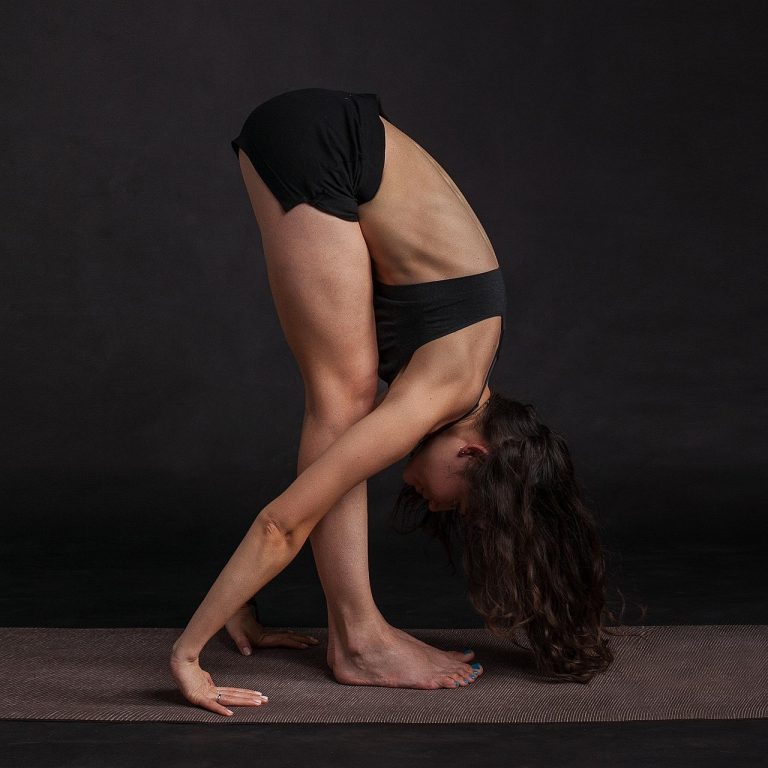
Recommended Stretches: Chest stretch (corner stretch), lat stretch (overhead arm reach), shoulder stretch (cross-body arm stretch), hamstring stretch (standing toe touch).
Incorporating regular stretching sessions into your lifestyle is a proactive step towards improved flexibility, reduced muscle soreness, and enhanced overall well-being. By understanding the different types of stretching techniques, creating a personalized routine, and avoiding common mistakes, you can unlock your body’s full potential and enjoy the many benefits that stretching offers. Remember to listen to your body, be consistent, and enjoy the journey towards greater flexibility and ease of movement.