Aching muscles, stiff joints, and that general feeling of being “stuck” can all be combated with one simple, yet powerful tool: daily stretching. Many people underestimate the impact a consistent stretching routine can have on their overall well-being. From improving flexibility and posture to reducing stress and preventing injuries, the benefits are numerous. This blog post will guide you through creating a personalized daily stretching routine to unlock a healthier, more mobile you.
Why You Need a Daily Stretching Routine
Improved Flexibility and Range of Motion
Stretching increases the length of your muscles, improving their flexibility. This, in turn, enhances your range of motion in your joints.
- Benefits: Easier performance of daily activities, reduced risk of muscle strains, and improved athletic performance.
- Example: Reaching for an item on a high shelf becomes less of a struggle, and your squats in the gym will be deeper and more comfortable.
- Practical Tip: Focus on holding each stretch for at least 30 seconds to allow the muscles to lengthen.
Injury Prevention
Regular stretching prepares your muscles for activity, making them less prone to injury. Warm, flexible muscles are more resilient to stress.
- Benefits: Reduced risk of sprains, strains, and tears during physical activity.
- Example: Stretching your hamstrings before a run can help prevent hamstring strains, a common injury among runners.
- Statistic: Studies have shown that stretching programs can reduce the risk of sports-related injuries by up to 50%.
Stress Reduction and Improved Circulation
Stretching can help release tension in your muscles, leading to reduced stress levels and improved blood circulation.
- Benefits: Lower blood pressure, reduced anxiety, and improved mood.
- Example: A gentle neck and shoulder stretch can alleviate tension headaches caused by stress.
- Practical Tip: Combine stretching with deep breathing exercises for enhanced relaxation.
Enhanced Posture
Stretching can help correct muscle imbalances that contribute to poor posture. Strengthening exercises are also beneficial.
- Benefits: Improved alignment, reduced back pain, and increased confidence.
- Example: Stretching your chest muscles and strengthening your back muscles can help correct rounded shoulders.
- Actionable Takeaway: Pay attention to your posture throughout the day and incorporate stretches that target specific areas of imbalance.
Designing Your Daily Stretching Routine
Assessing Your Needs
Before starting a stretching routine, assess your current flexibility levels and identify areas where you feel tightness or discomfort.
- Identify problem areas: Neck, shoulders, back, hamstrings, hips.
- Consider your activity level: Athletes may need a more extensive routine.
- Consult a professional: A physical therapist or certified trainer can help you design a personalized routine.
Choosing the Right Stretches
Select stretches that target the major muscle groups, including your neck, shoulders, back, chest, arms, legs, and hips.
- Static stretches: Holding a stretch in a stationary position (e.g., hamstring stretch, quadriceps stretch).
- Dynamic stretches: Controlled movements that gradually increase your range of motion (e.g., arm circles, leg swings).
- PNF stretches: Involve contracting and relaxing the muscles being stretched (requires partner or resistance band).
Sample Stretching Routine
Here’s a sample routine you can adapt to your own needs:
Neck stretches: Gentle head tilts from side to side and forward and backward (15-30 seconds each direction).
Shoulder stretches: Arm circles, cross-body shoulder stretch (30 seconds per arm).
Chest stretches: Doorway stretch (30 seconds).
Back stretches: Cat-cow stretch, seated twist (30 seconds per side).
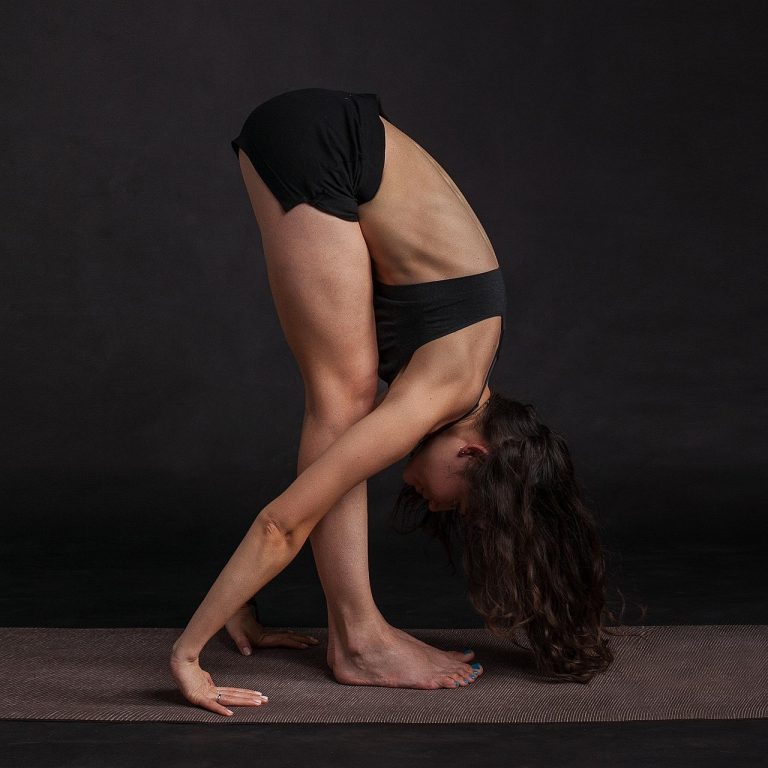
Hamstring stretches: Seated toe touch, standing hamstring stretch (30 seconds per leg).
Quadriceps stretches: Standing quadriceps stretch (30 seconds per leg).
Hip flexor stretches: Kneeling hip flexor stretch (30 seconds per leg).
Calf stretches: Standing calf stretch (30 seconds per leg).
Time Allocation and Consistency
Aim to dedicate at least 10-15 minutes to stretching each day. Consistency is key to seeing results.
- Set a specific time: Schedule your stretching routine into your daily schedule.
- Combine with other activities: Stretch after a workout or before bed.
- Be patient: It takes time to improve flexibility.
Proper Stretching Techniques
Warm-Up Before Stretching
Warming up your muscles before stretching is crucial to prevent injury.
- Light cardio: 5-10 minutes of light cardio, such as jogging in place or jumping jacks.
- Active movements: Arm circles, leg swings, torso twists.
Breathing and Relaxation
Focus on your breath and relax your muscles while stretching.
- Deep breaths: Inhale deeply and exhale slowly to help relax your muscles.
- Avoid holding your breath: Holding your breath can increase tension.
- Listen to your body: Stop if you feel any pain.
Holding Stretches Correctly
Hold each stretch for the appropriate duration to allow your muscles to lengthen.
- Static stretches: Hold for 30 seconds.
- Dynamic stretches: Perform 10-15 repetitions.
- Avoid bouncing: Bouncing can cause muscle strains.
- Gradual progression: Gradually increase the intensity and duration of your stretches as your flexibility improves.
Common Stretching Mistakes to Avoid
Stretching Cold Muscles
Stretching cold muscles can increase the risk of injury. Always warm up before stretching.
Overstretching
Pushing yourself too far can lead to muscle strains and tears. Listen to your body and stop if you feel any pain.
Bouncing
Bouncing during stretches can cause muscle damage. Instead, hold stretches in a static position.
Neglecting Proper Form
Using incorrect form can reduce the effectiveness of stretches and increase the risk of injury. Seek guidance from a professional if needed.
Ignoring Pain Signals
Pain is a sign that something is wrong. Stop stretching immediately if you feel any sharp or intense pain.
Conclusion
Incorporating a daily stretching routine into your life is an investment in your physical and mental well-being. By improving flexibility, reducing injury risk, alleviating stress, and enhancing posture, stretching offers a multitude of benefits. Remember to assess your needs, choose the right stretches, use proper techniques, and avoid common mistakes. Start slowly, be consistent, and listen to your body. With dedication and patience, you can unlock a healthier, more mobile, and more comfortable you through the power of daily stretching.