Physical Address
304 North Cardinal St.
Dorchester Center, MA 02124
Physical Address
304 North Cardinal St.
Dorchester Center, MA 02124


Feeling tight in the back of your legs? Hamstring tightness is a common complaint, affecting everyone from athletes to office workers. Tight hamstrings can limit flexibility, contribute to lower back pain, and even increase the risk of injury. Fortunately, incorporating regular hamstring stretches into your routine can significantly improve your comfort and performance. This guide will explore effective hamstring stretches, providing practical advice and insights to help you achieve greater flexibility and well-being.
The hamstrings are a group of three muscles located on the back of your thigh: the biceps femoris, semitendinosus, and semimembranosus. They originate at the ischial tuberosity (the “sit bone”) and insert around the knee. Their primary functions include:
When the hamstrings are tight, these functions are compromised, leading to a variety of problems.
Many factors can contribute to tight hamstrings, including:
Addressing these underlying causes is essential for long-term flexibility.
The most obvious benefit is increased flexibility. Regular stretching allows your hamstrings to lengthen, improving your range of motion. Studies show that consistent stretching can increase hamstring flexibility by 10-20% within just a few weeks. This improved flexibility can translate into better performance in physical activities and everyday tasks.
Tight hamstrings pull on the pelvis, contributing to lower back pain. Stretching helps to alleviate this tension, promoting better posture and spinal alignment. A study published in the Journal of Orthopaedic & Sports Physical Therapy found that hamstring stretching, combined with other exercises, significantly reduced lower back pain in participants. A tight hamstring will tilt the pelvis and cause the back to work harder to keep you upright. That extra work causes back pain.
Flexible hamstrings are crucial for athletic performance. They allow for a greater range of motion in activities like running, jumping, and kicking. Stretched hamstrings improve power output and reduce the risk of hamstring strains, a common injury among athletes. For example, sprinters need flexible hamstrings to achieve a full stride length, maximizing their speed and efficiency.
Tight hamstrings are more susceptible to strains and tears. Stretching increases blood flow to the muscles, improving their elasticity and making them more resistant to injury. Incorporating hamstring stretches into your pre- and post-workout routine is a proactive way to protect yourself from common muscle injuries.
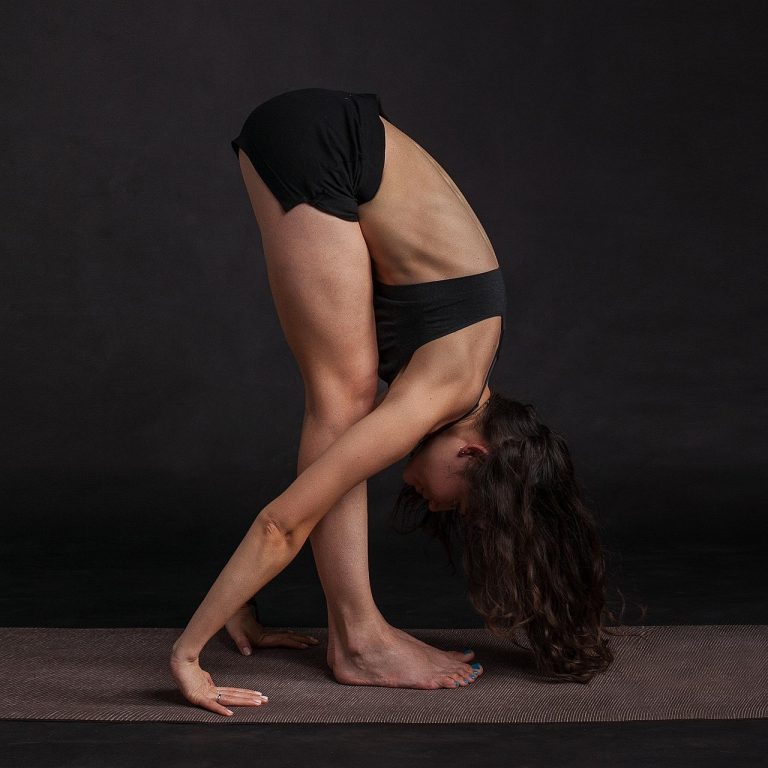
This is a simple and effective stretch that can be done almost anywhere.
Tip: If you can’t reach your toes, bend your knees slightly to reduce the strain on your lower back. As your flexibility improves, you can gradually straighten your legs.
This stretch is ideal for those who find it difficult to stand for long periods.
Variation: You can also perform this stretch one leg at a time, drawing one leg in toward your body while stretching the other leg.
This stretch allows for greater control and can be modified to target different parts of the hamstring.
Tip: Keep your lower back pressed against the floor to prevent arching and strain. You can bend the knee of the leg on the floor for added comfort.
Dynamic stretches involve movement and prepare the muscles for activity.
Caution: Perform dynamic stretches with controlled movements and avoid overstretching. These are best done before exercise.
Aim to stretch your hamstrings at least 2-3 times per week. For static stretches (holding a position), hold each stretch for 20-30 seconds. For dynamic stretches, perform 10-15 repetitions per leg. Consistency is key for achieving long-term results.
Avoid pushing yourself too hard. Stretching should feel like a gentle pull, not a sharp pain. If you experience any pain, stop immediately and consult with a healthcare professional.
As your flexibility improves, you can gradually increase the intensity and duration of your stretches. You can also try more advanced stretches, such as the hurdler stretch or the pike stretch. Remember to progress slowly and listen to your body.
Prioritizing hamstring stretches is an investment in your overall health and well-being. By understanding the anatomy, benefits, and proper techniques, you can effectively improve your flexibility, reduce pain, and enhance your physical performance. Remember to be consistent, listen to your body, and gradually progress to achieve lasting results. Start incorporating these stretches into your daily routine and experience the positive impact on your body and mind.