Feeling stiff, creaky, or just generally limited in your movements? You’re not alone. Flexibility, the ability to move joints through their full range of motion, is often overlooked, yet it’s crucial for overall health, injury prevention, and even athletic performance. Luckily, improving flexibility is achievable for almost anyone, regardless of age or current fitness level. Let’s explore some practical strategies and techniques to help you unlock your body’s potential and enjoy the many benefits of increased flexibility.
Understanding Flexibility and Its Importance
What is Flexibility?
Flexibility isn’t just about touching your toes; it’s a multifaceted concept that encompasses the range of motion available at your joints. It’s influenced by various factors including:
- Joint structure: The shape and construction of your joints inherently limit or allow certain movements.
- Muscle elasticity: The ability of your muscles to stretch and recoil plays a significant role.
- Nervous system control: Your brain and nervous system influence muscle tension and relaxation, impacting your flexibility.
- Age: Flexibility naturally tends to decrease with age due to changes in tissues and reduced activity.
- Activity Level: Sedentary lifestyles contribute to muscle stiffness and reduced range of motion.
Benefits of Improved Flexibility
Improving your flexibility offers a wealth of benefits that extend far beyond just physical performance:
- Reduced risk of injury: Flexible muscles are less prone to strains, sprains, and tears.
- Improved posture: Increased flexibility can help correct muscle imbalances that contribute to poor posture.
- Decreased muscle soreness: Stretching can help reduce muscle stiffness and soreness after exercise.
- Enhanced athletic performance: Greater range of motion allows for more efficient movement and increased power output.
- Increased blood flow: Stretching improves circulation, delivering oxygen and nutrients to muscles and tissues.
- Stress reduction: Stretching can promote relaxation and reduce stress by releasing muscle tension.
- Improved daily function: Simple tasks like reaching for items on a high shelf or bending to tie your shoes become easier and more comfortable.
Research shows that incorporating regular stretching into your routine can lead to significant improvements in flexibility within just a few weeks.
Effective Stretching Techniques
Static Stretching
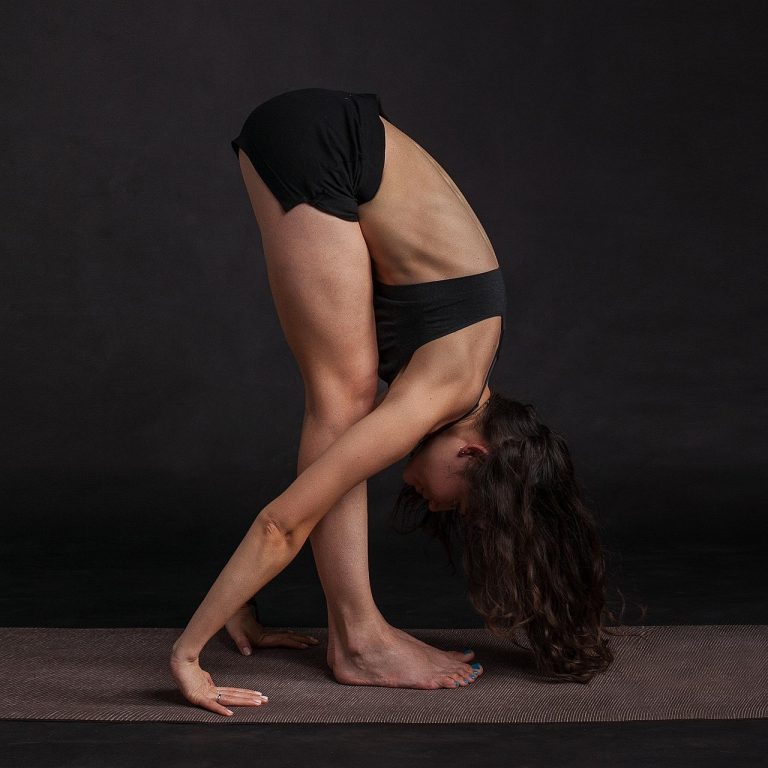
Static stretching involves holding a stretch in a comfortable position for a period of time, typically 15-30 seconds. This type of stretching is best performed after a workout or when muscles are already warm.
- Example: Hamstring Stretch – Sit on the floor with legs extended, reach forward towards your toes, holding for 30 seconds. Focus on feeling a gentle stretch in the back of your legs.
- Key Point: Avoid bouncing or forcing the stretch. Aim for a gentle, sustained pull.
Dynamic Stretching
Dynamic stretching involves controlled movements that gradually increase your range of motion. This type of stretching is ideal as part of a warm-up before exercise.
- Example: Leg Swings – Stand tall and swing one leg forward and backward in a controlled manner, gradually increasing the range of motion. Perform 10-15 swings per leg.
- Example: Arm Circles – Extend your arms out to the sides and make small circles, gradually increasing the size of the circles. Perform 10-15 circles forward and backward.
- Key Point: Focus on controlled movements and avoid jerky motions.
Proprioceptive Neuromuscular Facilitation (PNF) Stretching
PNF stretching is a more advanced technique that involves contracting and relaxing muscles to increase flexibility. It often requires a partner.
- Example: Contract-Relax Hamstring Stretch – Lie on your back with one leg extended towards the ceiling. A partner supports your leg. Contract your hamstring against your partner’s resistance for 5-10 seconds. Then, relax and allow your partner to gently stretch your leg further. Repeat several times.
- Key Point: PNF stretching can be very effective but should be performed carefully and with proper instruction to avoid injury.
Active Isolated Stretching (AIS)
AIS involves holding a stretch for only 1-2 seconds and then releasing it. This technique promotes blood flow and enhances muscle flexibility.
- Example: Using a rope or towel to assist, gently pull your leg up towards your chest while lying on your back. Hold the stretch for 1-2 seconds and release. Repeat 10-12 times.
- Key Point: Focus on isolating the muscle you’re targeting and using proper breathing.
Integrating Flexibility Training Into Your Routine
Warm-Up
- Begin each workout with 5-10 minutes of light cardio, such as jogging or jumping jacks, to increase blood flow to your muscles.
- Follow cardio with dynamic stretching exercises to prepare your muscles for activity.
Cool-Down
- After your workout, perform static stretching exercises to improve flexibility and reduce muscle soreness.
- Hold each stretch for 15-30 seconds, focusing on proper form and breathing.
Frequency and Consistency
- Aim to stretch at least 2-3 times per week.
- Consistency is key to achieving long-term improvements in flexibility.
- Even short, regular stretching sessions can make a significant difference.
Listen to Your Body
- Avoid pushing yourself too hard or stretching beyond your comfort zone.
- Pain is a sign to stop.
- Be patient and progressive in your approach.
Tools and Resources to Enhance Flexibility
Foam Rolling
- Foam rolling is a form of self-myofascial release that can help to break up muscle knots and improve flexibility.
- Use a foam roller on major muscle groups such as your quads, hamstrings, back, and calves.
- How to: Apply pressure to the muscle with the foam roller and slowly roll back and forth, targeting areas that feel tight or tender.
Yoga and Pilates
- Yoga and Pilates are excellent forms of exercise that combine stretching, strengthening, and mindfulness.
- These practices can improve flexibility, balance, and overall body awareness.
- Consider joining a class or following online tutorials.
Flexibility Apps and Online Resources
- Numerous apps and websites offer guided stretching routines and flexibility exercises.
- These resources can provide structure and motivation for your flexibility training.
- Examples: Down Dog (Yoga App), StretchIt App
Professional Guidance
- Consider consulting with a physical therapist or certified personal trainer for personalized guidance and instruction.
- They can assess your flexibility and develop a tailored program to meet your specific needs and goals.
Conclusion
Improving your flexibility is a journey that requires consistency, patience, and a mindful approach. By incorporating effective stretching techniques, integrating flexibility training into your routine, and utilizing available tools and resources, you can unlock your body’s potential for greater range of motion, reduced injury risk, and improved overall well-being. Start slowly, listen to your body, and celebrate your progress along the way. You’ll be surprised at the positive impact increased flexibility can have on your life.