Physical Address
304 North Cardinal St.
Dorchester Center, MA 02124
Physical Address
304 North Cardinal St.
Dorchester Center, MA 02124


Mobility flow is more than just stretching; it’s a dynamic system that unlocks your body’s full range of motion, improves performance, and reduces the risk of injury. By combining controlled movements, mindful breathing, and focused intention, you can cultivate a body that moves with ease and grace. Whether you’re an athlete, a desk worker, or simply looking to improve your overall well-being, understanding and incorporating mobility flow into your routine can bring transformative results.
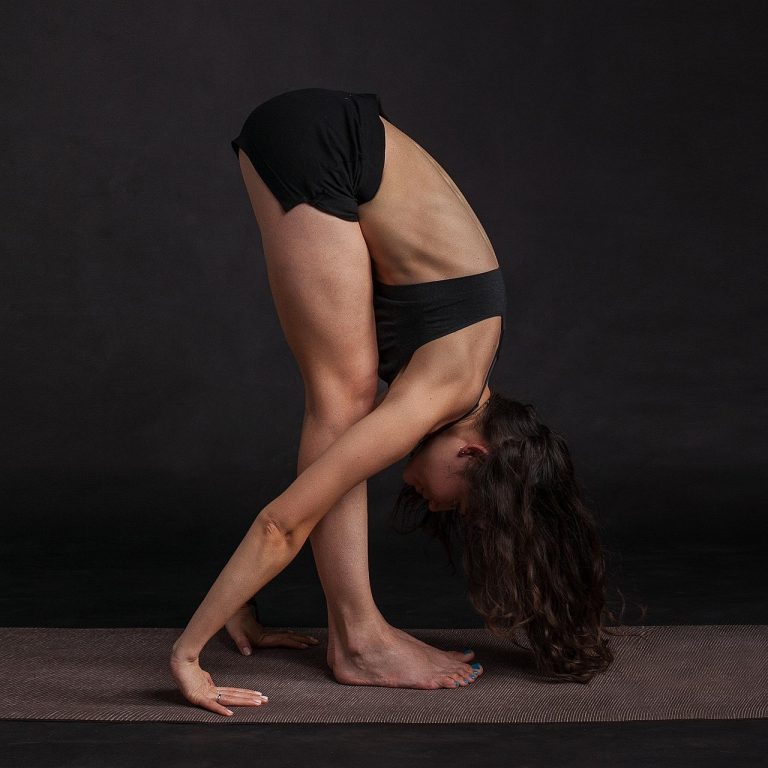
Mobility flow is a practice that combines elements of stretching, joint articulation, and mindful movement to improve your body’s range of motion, stability, and overall function. It focuses on actively moving through various ranges, as opposed to passively holding a stretch. Think of it as “active flexibility” that prepares the body for movement and helps maintain healthy joints.
While often used interchangeably, mobility and flexibility are distinct concepts. Flexibility refers to the ability of a muscle to lengthen, while mobility encompasses the ability to control movement through a full range of motion. You can be flexible but lack the strength and control to use that flexibility effectively. Mobility flow addresses both aspects, promoting both muscle length and joint control.
Joint articulation exercises involve controlled, circular movements that lubricate the joints and improve their range of motion. These exercises are often low-impact and can be performed daily.
Dynamic stretches involve moving through a range of motion repeatedly, rather than holding a static stretch. This helps to warm up muscles and prepare them for activity.
CARs are a more advanced form of joint articulation that involves actively controlling the joint through its full range of motion. They are designed to improve joint health and stability.
These exercises focus on activating specific muscles that support joint stability and control. This helps to improve movement patterns and prevent injury.
Before starting a mobility flow routine, it’s helpful to assess your current range of motion and identify any areas of restriction or discomfort.
Based on your assessment, prioritize the areas that need the most attention. If you have tight hips, for example, focus on exercises that target hip mobility.
Here’s a sample routine that targets key areas of the body:
The benefits of mobility flow are cumulative, so consistency is crucial. Aim to incorporate it into your routine at least 3-4 times per week. Even 10-15 minutes of focused mobility work can make a significant difference.
Pay attention to how your body feels during and after your mobility flow routine. Avoid pushing through pain and modify exercises as needed. It’s better to start slowly and gradually increase the intensity and duration of your sessions.
As your mobility improves, continue to challenge yourself by adding new exercises or increasing the range of motion. There are countless variations and progressions that you can incorporate into your routine.
If you work a desk job, incorporating short mobility breaks throughout the day can help combat the negative effects of prolonged sitting.
Starting too aggressively can lead to injury. Begin with gentle movements and gradually increase the intensity and duration as you get stronger and more flexible.
Pain is a signal that something is wrong. If you experience pain during a mobility exercise, stop immediately and consult with a healthcare professional.
Breathing is an essential component of mobility flow. Focus on breathing deeply and rhythmically throughout each exercise.
Remember that mobility is about more than just flexibility. Focus on developing both muscle length and joint control.
Mobility flow is a powerful tool for unlocking your body’s full potential. By incorporating it into your routine, you can improve your range of motion, enhance athletic performance, reduce pain, and promote overall well-being. Remember to start slowly, listen to your body, and be consistent with your practice. With dedication and patience, you can experience the transformative benefits of mobility flow and move with greater ease, grace, and freedom.