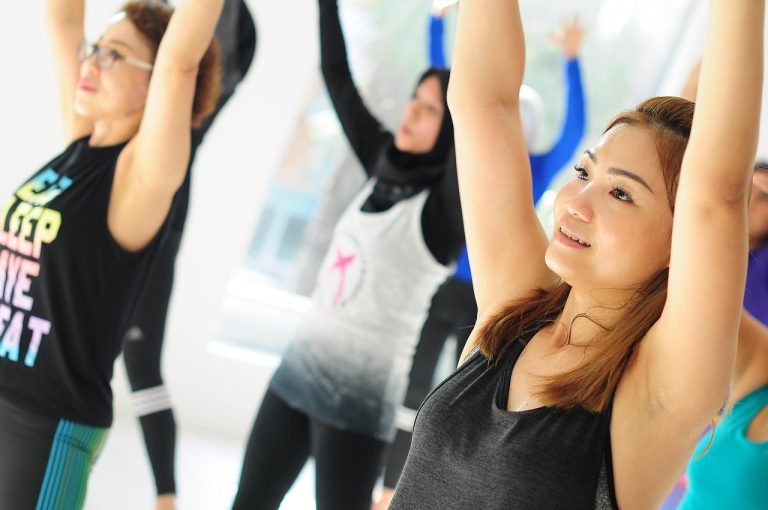
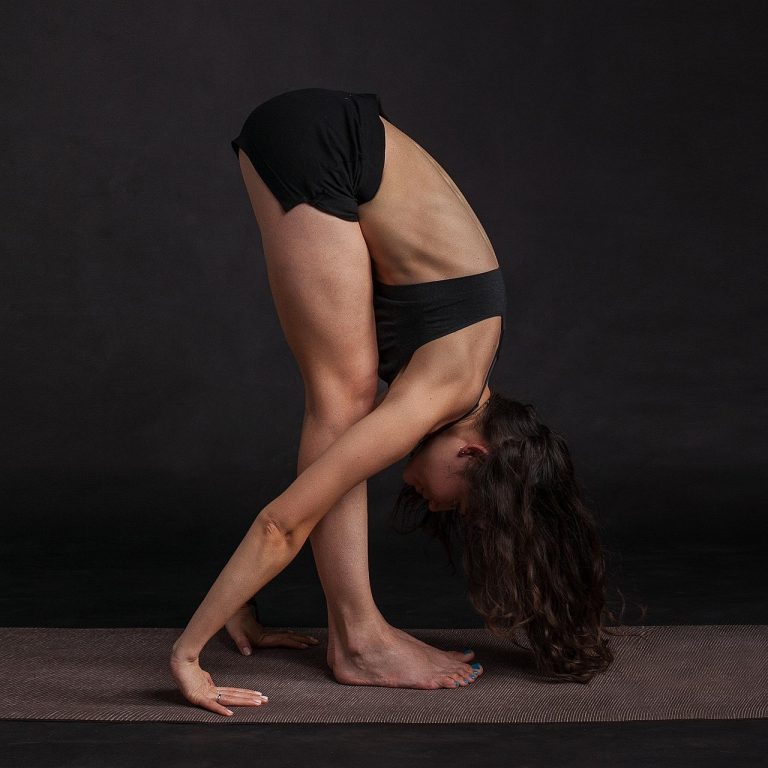
Mindful stretching isn’t just about touching your toes; it’s about connecting with your body, understanding its limits, and enhancing your overall well-being. In today’s fast-paced world, taking a moment to slow down and focus on our physical and mental state is more important than ever. This blog post will delve into the art and science of mindful stretching, exploring its benefits, techniques, and how to incorporate it into your daily routine for a healthier, more balanced life.
What is Mindful Stretching?
Defining Mindful Stretching
Mindful stretching is a form of exercise that combines traditional stretching techniques with mindfulness practices. It goes beyond simply lengthening muscles; it involves paying close attention to your body’s sensations, breath, and mental state during each stretch. Instead of forcing yourself into uncomfortable positions, you listen to your body’s signals and adjust the intensity accordingly.
- It’s about being present in the moment.
- It’s about respecting your body’s limitations.
- It’s about using your breath to deepen the stretch.
How it Differs from Traditional Stretching
Traditional stretching often focuses on achieving a specific range of motion or flexibility goal. Mindful stretching, on the other hand, emphasizes the process rather than the outcome. It’s less about how far you can stretch and more about how you feel while you’re stretching. This distinction can lead to a more enjoyable and sustainable stretching practice.
- Traditional Stretching: Focus on achieving a specific endpoint, often with little attention to the body’s signals. Can sometimes lead to injury.
- Mindful Stretching: Emphasis on the process and sensation, paying attention to the body’s feedback and breathing, promoting relaxation and preventing injuries.
Benefits of Mindful Stretching
Physical Benefits
Mindful stretching offers a multitude of physical advantages that contribute to overall health and well-being.
- Improved Flexibility and Range of Motion: Regular mindful stretching increases the suppleness of your muscles and connective tissues, enhancing your range of motion and making everyday activities easier. Studies have shown that consistent stretching can improve flexibility by up to 30% over several weeks.
- Reduced Muscle Tension and Pain: By consciously releasing tension in your muscles, mindful stretching can alleviate chronic pain and stiffness. This is especially beneficial for those who spend long hours sitting or performing repetitive tasks.
- Enhanced Circulation: Stretching promotes blood flow to your muscles, delivering essential nutrients and oxygen, which can accelerate recovery and reduce muscle soreness.
- Improved Posture: Targeted stretches can help correct postural imbalances and strengthen supporting muscles, leading to better alignment and reduced strain on your joints.
- Injury Prevention: By increasing flexibility and range of motion, mindful stretching can reduce your risk of muscle strains, sprains, and other injuries.
Mental and Emotional Benefits
The benefits of mindful stretching extend beyond the physical realm, positively impacting mental and emotional well-being.
- Stress Reduction: Focusing on your breath and body sensations during stretching activates the parasympathetic nervous system, promoting relaxation and reducing stress hormones like cortisol.
- Increased Body Awareness: Mindful stretching enhances your awareness of your body’s signals, allowing you to identify and address potential problems before they escalate.
- Improved Mood: Stretching releases endorphins, natural mood boosters that can help alleviate symptoms of anxiety and depression.
- Enhanced Focus and Concentration: By quieting the mind and focusing on the present moment, mindful stretching can improve your ability to concentrate and stay focused throughout the day.
- Greater Sense of Calm and Well-being: Regular mindful stretching can cultivate a greater sense of calm, peace, and overall well-being.
Techniques for Mindful Stretching
Preparing for a Mindful Stretch
Before you begin your mindful stretching session, create a calm and comfortable environment.
- Find a Quiet Space: Choose a space where you won’t be disturbed, allowing you to fully focus on your body and breath.
- Wear Comfortable Clothing: Opt for loose, comfortable clothing that allows for freedom of movement.
- Set an Intention: Take a moment to set an intention for your practice. This could be anything from releasing tension to cultivating gratitude.
- Warm-up: Start with a gentle warm-up, such as light cardio or dynamic stretches, to prepare your muscles for stretching. Examples include arm circles, leg swings, and torso twists.
Breathing Techniques
Breath plays a crucial role in mindful stretching, helping to deepen stretches and promote relaxation.
- Diaphragmatic Breathing: Inhale deeply through your nose, allowing your abdomen to expand. Exhale slowly through your mouth, contracting your abdomen. This type of breathing activates the parasympathetic nervous system, promoting relaxation.
- Synchronize Breath with Movement: Coordinate your breath with your movements. Inhale as you lengthen and extend, and exhale as you deepen the stretch.
- Lengthen Exhalations: Focus on lengthening your exhalations, as this can help to further relax your muscles and nervous system.
Sample Mindful Stretches
Here are a few examples of mindful stretches you can incorporate into your routine:
- Neck Rolls: Gently drop your chin to your chest, then slowly roll your head from side to side, paying attention to any tension in your neck and shoulders. Breathe deeply and smoothly.
- Shoulder Stretch: Clasp your hands behind your back and gently straighten your arms, opening up your chest and shoulders. Breathe deeply and hold the stretch for 20-30 seconds. Focus on the sensation of the stretch in your chest and shoulders.
- Spinal Twist: Sit on the floor with your legs extended. Bend one knee and place your foot on the outside of the opposite knee. Gently twist your torso towards the bent knee, using your hand to support yourself. Breathe deeply and hold the stretch for 20-30 seconds on each side. Focus on releasing tension in your spine and back muscles.
- Hamstring Stretch: Sit on the floor with one leg extended and the other bent with the sole of the foot against your inner thigh. Reach towards your extended foot, keeping your back straight. Breathe deeply and hold the stretch for 20-30 seconds on each side. Focus on the sensation of the stretch in your hamstring.
- Child’s Pose: Kneel on the floor with your knees hip-width apart. Sit back on your heels and fold forward, resting your forehead on the floor. Extend your arms in front of you or alongside your body. Breathe deeply and hold the pose for several minutes, allowing your body to relax and release tension.
Integrating Mindful Stretching into Your Daily Routine
Finding the Time
One of the biggest challenges to starting a mindful stretching practice is finding the time. However, even a few minutes of stretching each day can make a significant difference.
- Schedule it in: Treat your stretching session like any other important appointment. Block out time in your calendar and stick to it.
- Combine it with other activities: Incorporate stretching into activities you already enjoy, such as watching TV, listening to music, or meditating.
- Break it up: If you don’t have time for a full session, break it up into smaller chunks throughout the day. Even a few minutes of stretching during a work break can be beneficial.
Tips for Consistency
Consistency is key to reaping the benefits of mindful stretching.
- Start Small: Begin with a few simple stretches and gradually increase the duration and intensity as you become more comfortable.
- Listen to Your Body: Pay attention to your body’s signals and avoid pushing yourself too hard. It’s okay to modify stretches or take breaks as needed.
- Make it Enjoyable: Choose stretches that you find enjoyable and relaxing. Experiment with different techniques and routines to find what works best for you.
- Track Your Progress: Keep a journal or use a fitness app to track your progress and stay motivated.
Conclusion
Mindful stretching offers a powerful way to enhance your physical, mental, and emotional well-being. By combining traditional stretching techniques with mindfulness practices, you can cultivate a deeper connection with your body, reduce stress, and improve your overall quality of life. Start incorporating mindful stretching into your daily routine today and experience the transformative benefits for yourself. Remember to listen to your body, breathe deeply, and be present in the moment. Your body will thank you for it.