Feeling tight? Stiff? Maybe even a little creaky? You’re not alone. In today’s fast-paced world, where desk jobs and demanding schedules are the norm, our bodies often pay the price. Incorporating deep stretches into your routine can be the antidote to that stiffness, unlocking a greater range of motion, reducing pain, and improving overall well-being. This guide will explore the benefits of deep stretching, how to do it safely and effectively, and specific stretches you can incorporate into your daily life.
What are Deep Stretches?
Defining Deep Stretches
Deep stretches are sustained stretches that target the deeper layers of muscles and connective tissues, such as fascia. Unlike quick, bouncy stretches (ballistic stretching), deep stretches are held for a longer duration, typically 30 seconds to several minutes. This sustained pressure allows for a more profound release of tension and improved flexibility. The goal is not to force the body into a position, but to gently encourage the tissues to lengthen and relax.
How Deep Stretches Differ From Other Types of Stretching
There are several types of stretching, each with its own purpose and benefits. Static stretching involves holding a stretch for a period of time, while dynamic stretching involves movement through a range of motion. Ballistic stretching involves bouncing movements. Deep stretching differs by focusing on sustained pressure and targeting deeper tissues.
- Static Stretching: Holding a position to lengthen muscles; good for cool-downs.
- Dynamic Stretching: Controlled movements through a range of motion; ideal for warm-ups.
- Ballistic Stretching: Bouncing movements; carries a higher risk of injury and is generally not recommended.
- Deep Stretching: Sustained pressure on deeper tissues; best for improving flexibility and releasing chronic tension.
Benefits of Incorporating Deep Stretches
Deep stretching offers a multitude of benefits that go beyond simple flexibility. By targeting the deeper layers of muscles and fascia, these stretches can significantly improve your overall physical and mental well-being.
- Increased Flexibility and Range of Motion: Deep stretches lengthen muscles and improve joint mobility, leading to a wider range of motion in daily activities.
- Reduced Muscle Tension and Soreness: By releasing tension in the deeper tissues, deep stretches can alleviate muscle soreness and stiffness.
- Improved Posture: Regular deep stretching can help correct muscle imbalances that contribute to poor posture.
- Enhanced Blood Circulation: Stretching increases blood flow to muscles, promoting healing and reducing inflammation.
- Stress Reduction: Deep stretching can have a calming effect on the nervous system, reducing stress and promoting relaxation. Studies show that holding stretches for extended periods can activate the parasympathetic nervous system, responsible for the “rest and digest” response.
- Pain Management: Deep stretches can help manage chronic pain conditions such as back pain, sciatica, and fibromyalgia.
- Injury Prevention: By improving flexibility and muscle balance, deep stretches can reduce the risk of injuries during physical activity.
Safety Considerations
Warming Up Before Deep Stretching
It’s crucial to warm up your muscles before engaging in deep stretching. Cold muscles are more prone to injury. A light cardio activity like jogging or jumping jacks for 5-10 minutes, followed by some dynamic stretches, will prepare your body for deeper work.
Proper Form and Technique
Maintaining proper form is essential to prevent injuries. Avoid forcing your body into positions it’s not ready for. Focus on breathing deeply and relaxing into the stretch. If you feel sharp pain, stop immediately.
- Listen to your body: Pain is a signal that something is wrong.
- Maintain proper alignment: Ensure your spine is straight and your joints are properly aligned.
- Breathe deeply: Deep, slow breaths help relax muscles and promote circulation.
When to Avoid Deep Stretching
Certain conditions may make deep stretching unsafe. Consult your doctor before starting a deep stretching routine if you have:
- Acute injuries: Avoid stretching injured areas until they have healed.
- Inflammatory conditions: Stretching inflamed joints can exacerbate the condition.
- Hypermobility: Individuals with hypermobility should be cautious, as overstretching can lead to joint instability.
- Severe osteoporosis: Stretching may increase the risk of fractures in individuals with severe osteoporosis.
Effective Deep Stretching Techniques
Holding Stretches for Optimal Results
The key to deep stretching is holding each stretch for an extended period. This allows the tissues to gradually lengthen and release tension. A general guideline is to hold each stretch for 30 seconds to 2 minutes, depending on your comfort level and the specific stretch. For deeper releases, some stretches can be held for up to 5 minutes, particularly when addressing chronic tightness.
Breathing Techniques to Enhance Stretching
Breathing plays a crucial role in deep stretching. Deep, slow breaths help relax muscles and promote circulation. Inhale deeply before starting the stretch, and exhale slowly as you deepen into the position.
- Diaphragmatic breathing: Focus on breathing from your diaphragm, allowing your abdomen to expand with each inhale.
- Exhale into the stretch: As you exhale, consciously relax the muscles you are stretching.
- Avoid holding your breath: Holding your breath can increase tension and limit the effectiveness of the stretch.
Using Props for Deeper Stretches
Props such as yoga blocks, straps, and blankets can help you achieve deeper stretches safely and effectively.
- Yoga blocks: Can be used to elevate your hands or feet, allowing you to reach further.
- Straps: Can help you extend your reach in stretches like hamstring stretches.
- Blankets: Can be used to support your knees or hips, making stretches more comfortable.
Specific Deep Stretches to Incorporate
Hamstring Stretches
Tight hamstrings are a common problem that can contribute to back pain and limited mobility.
- Seated Forward Fold (Paschimottanasana): Sit with your legs extended, and reach towards your toes. Use a strap if necessary. Hold for 30 seconds to 2 minutes.
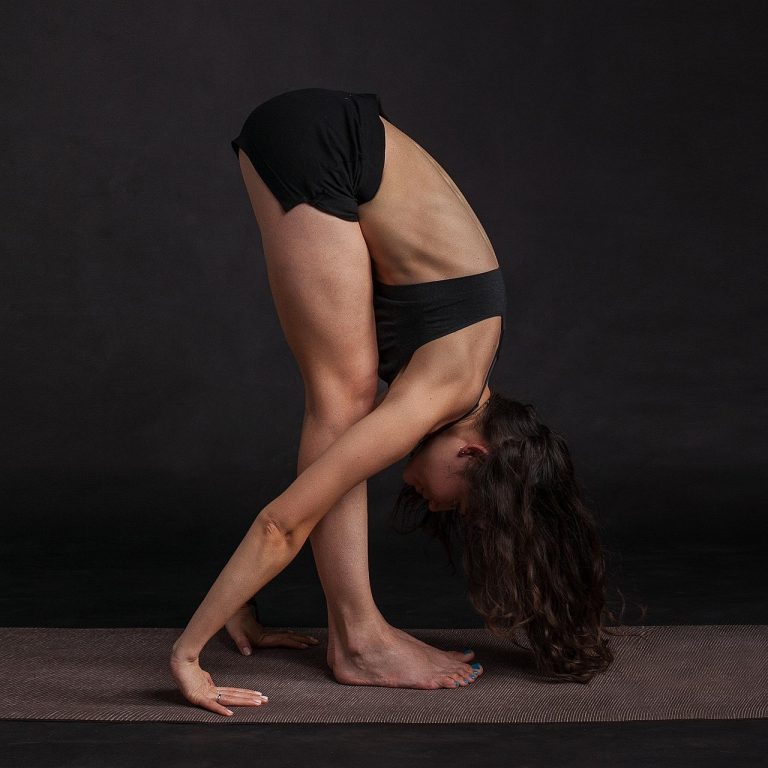
- Standing Hamstring Stretch: Stand with one leg slightly forward and your heel on the ground. Hinge at your hips, keeping your back straight, and reach towards your toes. Hold for 30 seconds to 2 minutes on each leg.
- Supine Hamstring Stretch: Lie on your back and bring one leg towards your chest. Use a strap to hold your foot and gently pull your leg closer. Hold for 30 seconds to 2 minutes on each leg.
Hip Flexor Stretches
Tight hip flexors can contribute to lower back pain and poor posture.
- Kneeling Hip Flexor Stretch: Kneel on one knee with the other foot forward, creating a 90-degree angle. Gently push your hips forward, feeling the stretch in the front of your hip. Hold for 30 seconds to 2 minutes on each side.
- Pigeon Pose (Eka Pada Rajakapotasana): Start in a plank position and bring one knee towards your chest, placing it behind your wrist. Lower your hips towards the ground and extend your back leg straight. Hold for 1-5 minutes on each side. This is a more advanced stretch; modify by keeping the back knee bent if needed.
- Couch Stretch: Place one shin up against a wall in a lunge position. Make sure to keep your core engaged and slowly sink into the stretch. Hold for 1-3 minutes.
Shoulder and Chest Stretches
Poor posture and desk jobs can lead to tight shoulders and chest muscles.
- Doorway Chest Stretch: Place your forearms on a doorway frame and gently lean forward, feeling the stretch in your chest. Hold for 30 seconds to 2 minutes.
- Eagle Arms (Garudasana Arms): Wrap your arms around each other, bringing your palms together (or as close as you can). Lift your elbows towards the ceiling to deepen the stretch in your upper back and shoulders. Hold for 30 seconds to 2 minutes.
- Thread the Needle Pose: Start on your hands and knees. Slide one arm underneath the opposite arm, lowering your shoulder towards the ground. Hold for 1-3 minutes.
Back Stretches
Releasing tension in the back can alleviate pain and improve mobility.
- Cat-Cow Pose: Alternate between arching your back like a cat (Cat Pose) and dropping your belly towards the ground (Cow Pose). Move slowly and deliberately, synchronizing your breath with your movement. Repeat 10-15 times.
- Child’s Pose (Balasana): Kneel on the ground with your knees hip-width apart. Sit back on your heels and fold forward, resting your forehead on the ground. Extend your arms forward or alongside your body. Hold for 1-5 minutes.
- Supine Twist: Lie on your back and bring your knees towards your chest. Extend your arms out to the sides and gently lower your knees to one side, keeping your shoulders on the ground. Hold for 1-3 minutes on each side.
Conclusion
Deep stretching offers a wealth of benefits for your physical and mental well-being. By incorporating these techniques into your routine, you can improve flexibility, reduce muscle tension, and enhance your overall quality of life. Remember to prioritize safety, listen to your body, and breathe deeply. Start slowly, be patient, and enjoy the journey to a more flexible and relaxed you. Consistent practice will yield the best results, allowing you to experience the profound benefits of deep stretching.