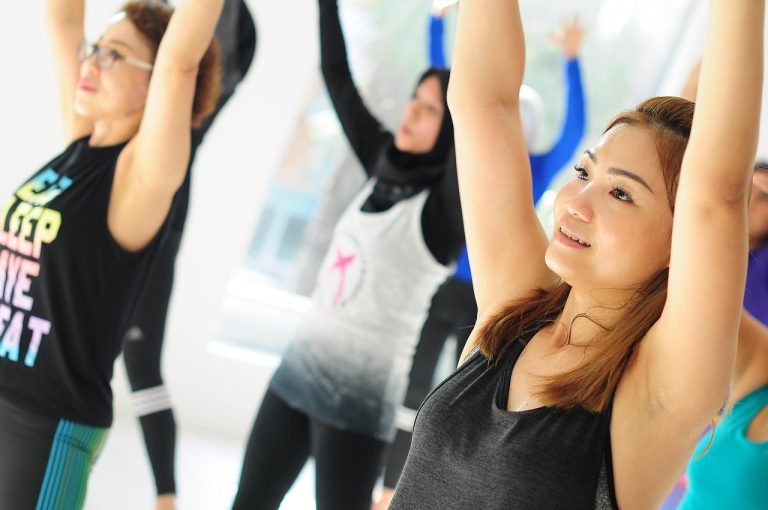
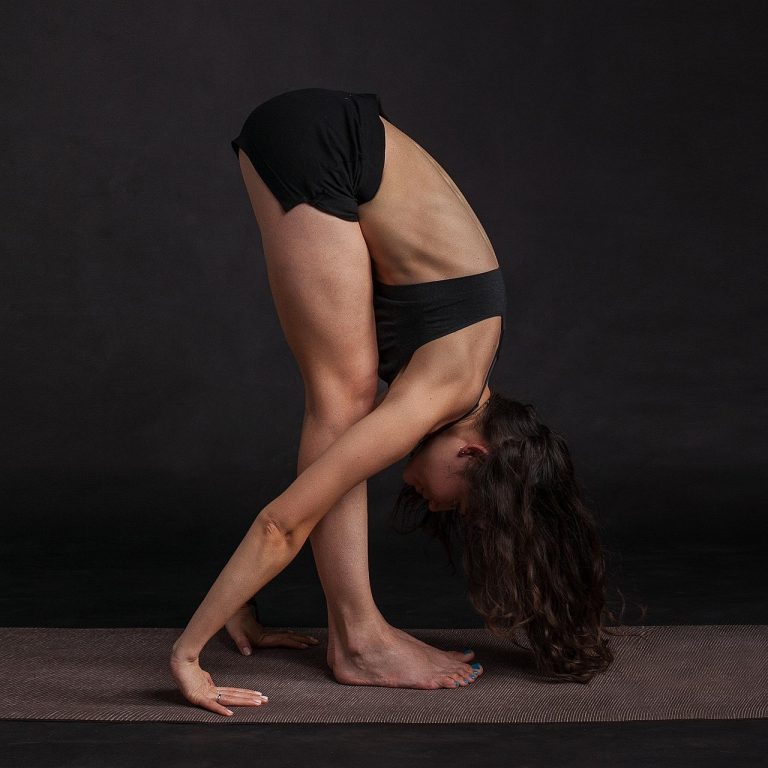
Mindful stretching is more than just touching your toes. It’s a holistic practice that integrates physical movement with mental awareness, offering a profound way to connect with your body and cultivate a sense of inner peace. In today’s fast-paced world, incorporating mindful stretching into your daily routine can be a powerful antidote to stress, stiffness, and the general disconnect we often feel from our physical selves. This blog post will explore the depths of mindful stretching, providing practical tips and guidance to help you embark on your own mindful movement journey.
What is Mindful Stretching?
Defining Mindful Stretching
Mindful stretching takes the conventional benefits of stretching – increased flexibility, improved circulation, and reduced muscle tension – and amplifies them by adding the element of focused attention. It’s about being present with each movement, noticing the sensations in your body, and releasing tension with intention. Unlike quick, forceful stretches performed during a workout, mindful stretching emphasizes slow, gentle movements, and deep, conscious breathing.
Key Differences from Traditional Stretching
- Focus on the Present: Traditional stretching often focuses on achieving a specific pose or range of motion. Mindful stretching prioritizes being fully present with the current sensation in the body, regardless of how “deep” the stretch is.
- Breath Awareness: Mindful stretching deeply integrates breathwork. Coordinating your breath with your movements helps to relax muscles and enhance body awareness. Traditional stretching might not always emphasize conscious breathing.
- Gentle and Slow: Mindful stretching encourages slow, gentle movements to avoid injury and allow you to truly feel the stretch. Traditional stretching can sometimes involve pushing past your comfort zone, which can lead to strain.
- Mind-Body Connection: Mindful stretching enhances the connection between mind and body, promoting overall well-being. Traditional stretching primarily focuses on the physical benefits.
Benefits of Mindful Stretching
Physical Benefits
Mindful stretching offers numerous physical advantages, contributing to overall health and fitness.
- Increased Flexibility and Range of Motion: Regular mindful stretching can gradually improve flexibility and range of motion in your joints, making everyday movements easier and more comfortable.
- Reduced Muscle Tension and Pain: By consciously relaxing and releasing tension, mindful stretching can alleviate muscle stiffness and chronic pain, especially in areas like the neck, shoulders, and back.
- Improved Circulation: Stretching increases blood flow to muscles and tissues, promoting healing and reducing inflammation.
- Enhanced Posture: Mindful stretching can help correct postural imbalances by strengthening weak muscles and stretching tight ones.
Mental and Emotional Benefits
Beyond the physical, mindful stretching significantly impacts mental and emotional well-being.
- Stress Reduction: The combination of slow movements, deep breathing, and focused attention can calm the nervous system, reducing stress hormones and promoting relaxation. Studies have shown that mindful movement practices can significantly reduce perceived stress levels.
- Improved Body Awareness: By paying close attention to the sensations in your body, you become more aware of areas of tension, discomfort, or imbalance.
- Enhanced Mood: Mindful stretching can release endorphins, which have mood-boosting effects, contributing to a sense of well-being and contentment.
- Increased Mindfulness and Presence: Practicing mindful stretching cultivates a greater sense of presence and awareness in your daily life, helping you to appreciate the present moment.
- Better Sleep: By relaxing the body and mind, mindful stretching can promote restful sleep. Incorporating a gentle stretching routine before bed can ease insomnia.
How to Practice Mindful Stretching
Creating a Mindful Space
- Find a Quiet Space: Choose a quiet, comfortable space where you can stretch without distractions.
- Comfortable Clothing: Wear loose-fitting, comfortable clothing that allows for freedom of movement.
- Optional Props: Consider using props like a yoga mat, blanket, or pillows for added support and comfort.
The Mindful Stretching Routine
- Start with Breath Awareness: Begin by taking a few deep, conscious breaths. Notice the sensation of the breath entering and leaving your body.
- Gentle Movements: Start with gentle movements, such as neck rolls, shoulder shrugs, and wrist circles.
- Focus on Sensation: As you stretch, pay attention to the sensations in your body. Notice where you feel the stretch, and whether there are any areas of tension or discomfort.
- Coordinate Breath and Movement: Inhale as you move into a stretch, and exhale as you release. For example, inhale as you raise your arms overhead, and exhale as you bend forward.
- Hold Stretches Gently: Hold each stretch for 20-30 seconds, breathing deeply and allowing your muscles to relax.
- Avoid Pushing Too Far: Never push yourself past the point of discomfort. The goal is to feel a gentle stretch, not pain.
- Stay Present: If your mind wanders, gently redirect your attention back to your breath and the sensations in your body.
- End with Gratitude: Take a few moments to appreciate your body and the effort you made during the practice.
Example Stretches
- Neck Stretch: Gently tilt your head to one side, bringing your ear toward your shoulder. Hold for 20-30 seconds, breathing deeply. Repeat on the other side.
- Shoulder Stretch: Reach one arm across your body and gently pull it towards you with your other hand. Hold for 20-30 seconds, breathing deeply. Repeat on the other side.
- Hamstring Stretch: Sit on the floor with your legs extended. Reach towards your toes, keeping your back straight as much as possible. Hold for 20-30 seconds, breathing deeply.
- Spinal Twist: Sit with your legs extended. Bend one knee and place your foot on the outside of your opposite knee. Twist your torso towards the bent knee, placing your hand behind you for support. Hold for 20-30 seconds, breathing deeply. Repeat on the other side.
- Cat-Cow Stretch: Start on your hands and knees. Inhale as you arch your back and drop your belly (cow pose). Exhale as you round your back and tuck your chin (cat pose). Repeat several times, coordinating your breath with your movements.
Integrating Mindful Stretching into Daily Life
Short Daily Sessions
Even 5-10 minutes of mindful stretching each day can make a significant difference. Try incorporating a few stretches into your morning routine, during your lunch break, or before bed.
Desk Stretches
If you work at a desk, take frequent breaks to stretch your neck, shoulders, wrists, and back. Simple stretches like shoulder shrugs, neck rotations, and wrist circles can help to relieve tension and prevent stiffness.
Mindful Movement Throughout the Day
Pay attention to your posture and movement throughout the day. Consciously relax your shoulders, unclench your jaw, and take deep breaths.
Combining with Other Practices
Mindful stretching can be effectively combined with other mindfulness practices, such as meditation and yoga, to enhance their benefits.
Common Mistakes to Avoid
Pushing Too Hard
One of the most common mistakes is pushing yourself too far, which can lead to injury. Remember to listen to your body and stretch only to the point of gentle discomfort.
Holding Your Breath
Holding your breath during stretching can increase tension and reduce the benefits of the practice. Focus on deep, conscious breathing throughout the stretch.
Rushing Through the Routine
Rushing through the routine defeats the purpose of mindful stretching. Take your time, focus on the sensations in your body, and allow yourself to fully relax.
Ignoring Pain Signals
Ignoring pain signals can lead to injury. If you feel any sharp or intense pain, stop the stretch immediately.
Conclusion
Mindful stretching is a simple yet powerful practice that offers a multitude of benefits for both physical and mental well-being. By incorporating mindful movement into your daily routine, you can reduce stress, increase flexibility, improve body awareness, and cultivate a greater sense of presence. Start slowly, listen to your body, and enjoy the journey of connecting with yourself through mindful stretching.